
Overview
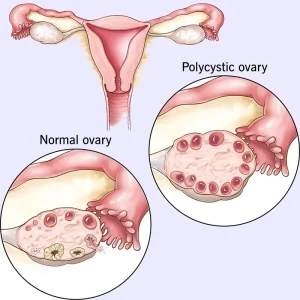
Polycystic Ovary Syndrome (PCOS) is a common hormonal disorder that affects women of reproductive age. It occurs when the ovaries produce higher-than-normal levels of androgens, which are male hormones that are normally present in small amounts in women. These hormonal imbalances can interfere with the normal development and release of eggs during ovulation.
In PCOS, the ovaries may develop numerous small fluid-filled sacs called follicles that fail to regularly release eggs. As a result, ovulation may occur less often or stop completely. PCOS can affect menstrual cycles, fertility, metabolism, and physical appearance. Early diagnosis and proper management can help reduce symptoms and prevent long-term health complications.
Symptoms
The symptoms of PCOS can vary widely from person to person. Many women first notice symptoms during their teenage years or early adulthood.
Common symptoms include:
-
Irregular menstrual periods or missed periods
-
Excess hair growth on the face, chest, abdomen, or back
-
Acne or oily skin
-
Thinning hair or hair loss from the scalp
-
Weight gain or difficulty losing weight
-
Darkened skin patches, especially around the neck, groin, or under the breasts
-
Difficulty becoming pregnant due to irregular ovulation
-
Ovaries that may appear enlarged with multiple small follicles
Some women may experience only mild symptoms, while others may have more noticeable hormonal and metabolic effects.
Causes
The exact cause of PCOS is not fully understood, but several factors are believed to contribute to its development.
These include:
-
Hormonal imbalance, particularly increased androgen levels
-
Insulin resistance, which causes the body to produce more insulin and may increase androgen production
-
Genetic factors, as PCOS often runs in families
-
Chronic low-grade inflammation that may stimulate the ovaries to produce excess hormones
These factors can disrupt normal ovulation and lead to many of the symptoms associated with PCOS.
Risk Factors
Certain factors may increase the likelihood of developing PCOS.
These include:
-
Family history of PCOS or hormonal disorders
-
Insulin resistance or prediabetes
-
Obesity or excess body weight
-
Sedentary lifestyle
-
Early onset of puberty or irregular menstrual cycles
Although these factors may increase the risk, PCOS can also occur in women without obvious risk factors.
Complications
If not properly managed, PCOS can lead to several long-term health complications.
Possible complications include:
-
Infertility due to irregular ovulation
-
Type 2 diabetes or prediabetes
-
High blood pressure
-
High cholesterol levels
-
Heart disease
-
Endometrial cancer caused by prolonged irregular menstruation
-
Sleep apnea
-
Depression and anxiety
Early treatment and lifestyle changes can significantly reduce the risk of these complications.
Prevention
There is no guaranteed way to prevent PCOS because its exact cause is not fully known. However, maintaining a healthy lifestyle may help reduce the severity of symptoms and lower the risk of complications.
Helpful prevention and management strategies include:
-
Maintaining a healthy body weight
-
Eating a balanced diet rich in whole foods, fruits, vegetables, and lean proteins
-
Exercising regularly
-
Managing blood sugar levels
-
Getting regular medical checkups to monitor hormonal and metabolic health
Early diagnosis and proper medical care can help manage symptoms effectively and support long-term health.
Advertisement
