
Overview
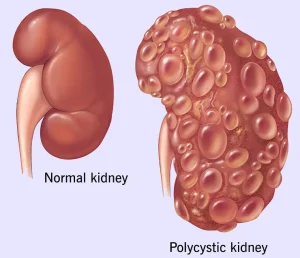
Polycystic Kidney Disease is a genetic disorder in which clusters of fluid-filled sacs called cysts develop in the kidneys. These cysts gradually enlarge and can interfere with normal kidney function. Over time, the kidneys may become enlarged and lose their ability to filter waste from the blood effectively.
There are two main types of polycystic kidney disease: autosomal dominant polycystic kidney disease, which is the most common and usually develops in adulthood, and autosomal recessive polycystic kidney disease, which is rarer and often appears in infancy or early childhood. The condition can also affect other organs, including the liver and blood vessels.
Symptoms
Symptoms of polycystic kidney disease may not appear until the cysts become large enough to affect kidney function. In many people, symptoms develop during adulthood.
Common symptoms include:
-
High blood pressure
-
Pain in the back or sides
-
Frequent headaches
-
Blood in the urine
-
Frequent urinary tract infections
-
Kidney stones
-
Abdominal fullness or swelling due to enlarged kidneys
As the disease progresses, symptoms related to reduced kidney function may appear, such as fatigue, swelling in the legs, and difficulty concentrating.
Causes
Polycystic kidney disease is caused by inherited genetic mutations that lead to the formation of cysts in the kidneys. These cysts fill with fluid and gradually grow over time.
The two major genetic forms include:
-
Autosomal dominant polycystic kidney disease, caused by mutations in specific genes and typically inherited from one affected parent
-
Autosomal recessive polycystic kidney disease, caused by mutations inherited from both parents
These genetic changes affect the normal growth and function of kidney cells, leading to the development of multiple cysts.
Risk Factors
The primary risk factor for polycystic kidney disease is a family history of the condition because it is usually inherited.
Other factors that may influence disease progression include:
-
Having a parent with autosomal dominant polycystic kidney disease
-
High blood pressure
-
Male gender in some cases
-
Certain genetic variations that affect the severity of the disease
People with a known family history may benefit from medical monitoring and genetic counseling.
Complications
Polycystic kidney disease can lead to several complications as cysts grow and kidney function declines.
Possible complications include:
-
Chronic kidney disease and eventual kidney failure
-
High blood pressure
-
Liver cysts
-
Brain aneurysms
-
Heart valve abnormalities
-
Kidney infections
-
Pregnancy-related complications in affected women
If kidney failure develops, dialysis or a kidney transplant may be required.
Prevention
Because polycystic kidney disease is inherited, it cannot be completely prevented. However, certain measures may help slow the progression of the disease and reduce complications.
Helpful steps include:
-
Regular medical checkups to monitor kidney function
-
Controlling blood pressure through medication and lifestyle changes
-
Maintaining a healthy diet and limiting salt intake
-
Staying well hydrated
-
Avoiding smoking and excessive alcohol use
-
Seeking genetic counseling for families with a history of the disease
Early diagnosis and proper medical management can help people with polycystic kidney disease maintain better kidney health and quality of life.
Request an appointment
Advertisement
