
Overview
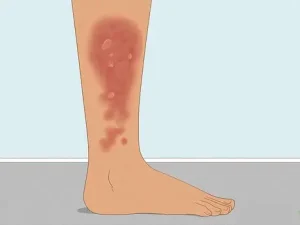
Poison Ivy Rash is an allergic skin reaction that occurs after contact with poison ivy plants. The rash is caused by an oily resin called urushiol, which is found in the leaves, stems, and roots of the plant. When urushiol touches the skin, it can trigger an immune response that leads to inflammation and irritation.
This condition is a form of allergic contact dermatitis. The rash typically appears within 12 to 48 hours after exposure and can last for several days or weeks. Poison ivy rash is not contagious, but the oil from the plant can spread to other parts of the body or to other people through contaminated objects such as clothing, tools, or pet fur.
Symptoms
Symptoms of poison ivy rash usually develop shortly after the skin comes into contact with urushiol oil.
Common symptoms include:
-
Redness and inflammation of the skin
-
Intense itching
-
Swelling in the affected area
-
Blisters that may ooze or crust over
-
Rash appearing in streaks or patches where the plant brushed the skin
-
Tender or painful skin
In severe cases, large areas of the body may become irritated, and swelling can be more pronounced, especially around the eyes or face.
Causes
Poison ivy rash occurs when the skin comes into contact with urushiol oil. This oil triggers an allergic reaction in many people.
Common sources of exposure include:
-
Direct contact with poison ivy plants
-
Touching clothing, gardening tools, or outdoor equipment contaminated with urushiol
-
Pet fur that has brushed against the plant
-
Smoke from burning poison ivy plants, which can carry the oil in the air
Even a very small amount of urushiol can cause a reaction in sensitive individuals.
Risk Factors
Anyone who comes into contact with poison ivy can develop a rash, but some factors increase the risk.
Risk factors include:
-
Spending time in wooded or grassy areas where poison ivy grows
-
Outdoor activities such as hiking, camping, or gardening
-
Working in landscaping, farming, or forestry
-
Not wearing protective clothing while handling plants
-
Having previous allergic sensitivity to urushiol
People who frequently work outdoors may experience repeated exposures.
Complications
Although poison ivy rash usually resolves on its own, complications can occur in some cases.
Possible complications include:
-
Skin infection from excessive scratching
-
Severe swelling, especially on the face or eyelids
-
Large or widespread blistering
-
Difficulty breathing if urushiol is inhaled from burning plants
-
Long-lasting skin discoloration after the rash heals
Medical attention may be necessary if the rash becomes severe or shows signs of infection.
Prevention
Preventing poison ivy rash mainly involves avoiding contact with the plant and its oil.
Helpful prevention measures include:
-
Learn to identify poison ivy plants and avoid touching them
-
Wear long sleeves, pants, gloves, and boots when hiking or gardening
-
Wash skin immediately with soap and water after possible exposure
-
Clean clothing, shoes, and tools that may have contacted the plant
-
Bathe pets that may have brushed against poison ivy
-
Use protective barrier creams before outdoor activities in high-risk areas
Taking these precautions can greatly reduce the chances of developing poison ivy rash.
Advertisement
