
Overview
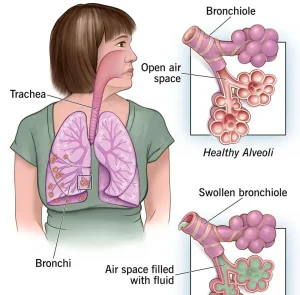
Pneumonitis is inflammation of the lung tissue that is usually caused by irritation rather than infection. It occurs when the lungs react to certain substances, medications, radiation therapy, or inhaled particles. The inflammation can interfere with normal breathing and the lungs’ ability to exchange oxygen.
Pneumonitis can develop suddenly after exposure to an irritant or may develop gradually over time with repeated exposure. If the inflammation persists for a long period, it may lead to permanent lung damage or scarring.
Early diagnosis and removal of the triggering factor are important in preventing long-term complications.
Symptoms
Symptoms of pneumonitis may vary depending on the cause and severity of the inflammation.
Common symptoms include:
-
Shortness of breath
-
Dry cough
-
Fatigue and weakness
-
Chest discomfort
-
Fever in some cases
-
Loss of appetite
-
Unintended weight loss
Symptoms may appear within hours of exposure or develop slowly over several weeks or months.
Causes
Pneumonitis is caused by irritation or an allergic reaction in the lungs rather than a typical infection.
Common causes include:
-
Inhaling dust, mold, or chemical fumes
-
Exposure to bird droppings or animal proteins
-
Certain medications
-
Radiation therapy to the chest
-
Exposure to industrial chemicals
-
Repeated exposure to environmental allergens
One common form is hypersensitivity pneumonitis, which occurs when the immune system reacts to inhaled organic particles.
Risk Factors
Certain factors can increase the risk of developing pneumonitis.
Risk factors include:
-
Occupational exposure to dust, chemicals, or organic particles
-
Farming or working with animals
-
Exposure to moldy environments
-
Receiving radiation therapy to the chest
-
Taking certain medications that affect the lungs
-
Having a weakened immune system
People who are repeatedly exposed to lung irritants over time may have a higher risk.
Complications
If pneumonitis is not treated or if exposure continues, it may lead to serious lung problems.
Possible complications include:
-
Chronic lung inflammation
-
Lung scarring, known as pulmonary fibrosis
-
Reduced lung function
-
Persistent breathing difficulties
-
Low oxygen levels in the blood
Severe or long-term inflammation can permanently damage lung tissue.
Prevention
Preventing pneumonitis mainly involves reducing exposure to substances that can irritate or inflame the lungs.
Preventive measures include:
-
Avoiding exposure to dust, mold, and chemical fumes
-
Wearing protective masks or equipment in high-risk environments
-
Ensuring good ventilation in workplaces
-
Monitoring lung health during certain medical treatments
-
Following safety guidelines when handling chemicals or working with animals
Early recognition of symptoms and avoiding the triggering substance can help prevent long-term lung damage.
Advertisement
