
Overview
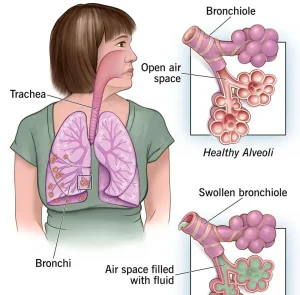
Pneumonia is an infection that inflames the air sacs in one or both lungs. The air sacs, also called alveoli, may fill with fluid or pus, making it difficult for oxygen to pass into the bloodstream. This can cause breathing problems and other symptoms ranging from mild to severe.
Pneumonia can be caused by bacteria, viruses, or fungi. It affects people of all ages but can be especially serious for infants, older adults, and people with weakened immune systems.
The severity of pneumonia varies depending on the type of infection, the person’s age, and overall health. With proper treatment, many people recover fully, but severe cases may require hospitalization.
Symptoms
Symptoms of pneumonia can vary from mild to severe and may develop suddenly or gradually.
Common symptoms include:
-
Cough, which may produce mucus or phlegm
-
Fever and chills
-
Shortness of breath
-
Chest pain when breathing or coughing
-
Fatigue and weakness
-
Sweating and shaking chills
-
Nausea, vomiting, or diarrhea
Older adults and people with weakened immune systems may have milder symptoms or confusion instead of a high fever.
Causes
Pneumonia occurs when infectious organisms enter the lungs and cause inflammation in the air sacs.
Common causes include:
-
Bacterial infections, particularly Streptococcus pneumoniae
-
Viral infections such as influenza
-
Fungal infections, especially in people with weakened immune systems
-
Inhaling food, liquid, or vomit into the lungs, known as aspiration pneumonia
These microorganisms can spread through respiratory droplets in the air or through contact with infected surfaces.
Risk Factors
Certain factors can increase the likelihood of developing pneumonia.
Risk factors include:
-
Age younger than 2 years or older than 65 years
-
Smoking
-
Chronic lung diseases such as asthma or chronic obstructive pulmonary disease
-
Weakened immune system
-
Recent respiratory infection such as a cold or flu
-
Hospitalization, especially with the use of a ventilator
People with chronic medical conditions may be at greater risk for severe pneumonia.
Complications
If not treated promptly, pneumonia can lead to serious complications.
Possible complications include:
-
Difficulty breathing requiring oxygen therapy
-
Fluid buildup around the lungs
-
Lung abscess
-
Bloodstream infection
-
Worsening of existing chronic illnesses
Severe cases may require hospitalization and intensive medical care.
Prevention
Several steps can help reduce the risk of pneumonia.
Preventive measures include:
-
Getting recommended vaccinations for pneumonia and influenza
-
Practicing good hand hygiene
-
Avoiding smoking
-
Maintaining a strong immune system through a healthy lifestyle
-
Covering the mouth and nose when coughing or sneezing
-
Seeking medical care for persistent respiratory symptoms
Early vaccination and good health practices play an important role in preventing pneumonia and reducing its severity.
Advertisement
