
Overview
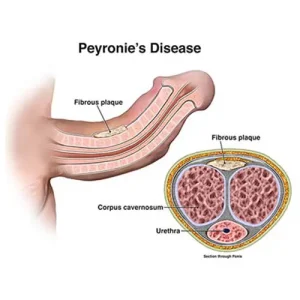
Peyronie disease is a condition in which fibrous scar tissue develops inside the penis, causing curved or painful erections. The scar tissue, known as plaque, forms under the skin of the penis and can interfere with normal flexibility during an erection.
The condition may develop gradually or appear suddenly. In some cases, the curvature is mild and does not cause significant problems, but in other cases it can make sexual activity difficult or painful. Peyronie disease can also cause emotional stress or anxiety due to changes in sexual function or appearance.
Although the exact cause is not always known, early diagnosis and appropriate treatment can help manage symptoms and prevent the condition from worsening.
Symptoms
Symptoms of Peyronie disease often develop over time and may vary in severity among individuals.
Common symptoms include:
-
Noticeable curvature of the penis during erection
-
Lump or hard scar tissue under the skin of the penis
-
Pain in the penis, especially during erections
-
Shortening of the penis
-
Narrowing or indentation of the penile shaft
-
Difficulty achieving or maintaining an erection
-
Pain during sexual intercourse
The curvature may bend upward, downward, or to one side depending on where the scar tissue develops.
Causes
The exact cause of Peyronie disease is not fully understood. It is often believed to result from repeated injury or trauma to the penis, which may occur during sexual activity, sports, or accidents. These injuries may lead to abnormal healing and the formation of scar tissue.
Other possible contributing factors include:
-
Minor injuries that go unnoticed but cause internal damage
-
Abnormal wound healing processes
-
Genetic predisposition
-
Connective tissue disorders
Over time, the buildup of scar tissue limits the elasticity of the penile tissue, leading to curvature during erections.
Risk Factors
Several factors may increase the likelihood of developing Peyronie disease.
Risk factors include:
-
Increasing age
-
Family history of Peyronie disease
-
Connective tissue disorders
-
Previous penile injury
-
Erectile dysfunction
-
Certain prostate surgeries
-
Smoking or other factors that affect blood vessel health
Men with conditions that affect connective tissue may be more prone to developing scar tissue in the penis.
Complications
Peyronie disease can lead to both physical and emotional complications if the condition becomes severe.
Possible complications include:
-
Difficulty or inability to have sexual intercourse
-
Erectile dysfunction
-
Persistent penile pain
-
Emotional distress or reduced self-confidence
-
Relationship difficulties related to sexual health
These complications can affect overall quality of life and mental well-being.
Prevention
Because the exact cause of Peyronie disease is not always known, it cannot always be prevented. However, certain steps may help reduce the risk of injury and support overall penile health.
Preventive measures include:
-
Practicing safe and careful sexual activity
-
Avoiding trauma or injury to the genital area
-
Seeking medical attention for penile injuries
-
Maintaining good cardiovascular health
-
Avoiding smoking and other habits that affect blood circulation
Early medical evaluation for unusual curvature, pain, or lumps in the penis can help ensure proper diagnosis and timely treatment.
Advertisement
