
Overview
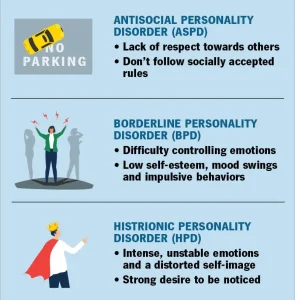
Personality disorders are a group of mental health conditions characterized by long-lasting patterns of thinking, feeling, and behaving that differ significantly from cultural expectations. These patterns are often inflexible and can affect how individuals relate to others, manage emotions, and respond to everyday situations.
People with personality disorders may struggle with relationships, work responsibilities, and social interactions. The behaviors and thought patterns associated with these disorders usually begin in adolescence or early adulthood and tend to persist over time.
Personality disorders are generally grouped into three clusters based on shared characteristics: those involving odd or eccentric behavior, those involving dramatic or emotional behavior, and those involving anxious or fearful behavior. Treatment often involves psychotherapy and support to help individuals develop healthier ways of thinking and interacting with others.
Symptoms
Symptoms of personality disorders vary depending on the specific type of disorder, but they typically involve persistent patterns of behavior and emotional responses that cause distress or difficulties in daily life.
Common symptoms may include:
-
Difficulty maintaining stable relationships
-
Extreme mood swings or emotional instability
-
Distorted self-image or sense of identity
-
Trouble trusting others
-
Impulsive or risky behavior
-
Intense fear of abandonment
-
Difficulty controlling anger
-
Social withdrawal or isolation
-
Suspicious or paranoid thinking
-
Excessive need for attention or approval
These symptoms can interfere with work, family life, and social functioning.
Causes
The exact causes of personality disorders are not fully understood, but they are believed to result from a combination of genetic, environmental, and psychological factors.
Possible causes include:
-
Genetic predisposition or family history of mental health conditions
-
Childhood trauma or abuse
-
Neglect during early development
-
Unstable or difficult family environments
-
Changes in brain structure or function related to emotional regulation
These influences can shape personality development and increase vulnerability to long-term behavioral patterns associated with personality disorders.
Risk Factors
Certain factors may increase the likelihood of developing personality disorders.
Risk factors include:
-
Family history of personality disorders or other mental health conditions
-
Childhood trauma, neglect, or abuse
-
Growing up in unstable or chaotic family environments
-
Early exposure to violence or substance misuse in the household
-
Difficult childhood relationships with caregivers
-
Certain temperament traits such as impulsivity or emotional sensitivity
Early life experiences often play a significant role in the development of personality traits.
Complications
Personality disorders can lead to a range of difficulties that affect emotional well-being and social functioning.
Possible complications include:
-
Problems maintaining relationships
-
Difficulty keeping a stable job
-
Social isolation
-
Depression or anxiety disorders
-
Substance misuse
-
Legal or financial problems
-
Self-harm behaviors
-
Suicidal thoughts or attempts
The impact of these complications may vary depending on the type and severity of the personality disorder.
Prevention
There is no guaranteed way to prevent personality disorders, but early support and healthy development can reduce the risk or severity of symptoms.
Helpful preventive measures include:
-
Providing a stable and supportive childhood environment
-
Addressing childhood trauma or abuse early
-
Teaching healthy emotional coping skills
-
Encouraging positive communication and relationship skills
-
Seeking professional help when behavioral or emotional problems appear early in life
-
Promoting mental health awareness and support systems
Early intervention, counseling, and supportive relationships can help individuals develop healthier personality traits and reduce long-term difficulties associated with personality disorders.
Advertisement
