
Overview
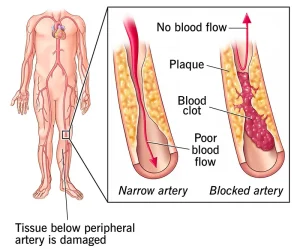
Peripheral Artery Disease (PAD) is a common circulatory condition in which narrowed arteries reduce blood flow to the limbs, most often affecting the legs. It occurs when fatty deposits build up in the arteries, a process known as atherosclerosis. This buildup restricts the flow of oxygen-rich blood to muscles and tissues.
People with PAD may experience leg pain while walking or exercising, a symptom called claudication. In many cases, symptoms improve with rest. Some individuals may have PAD without noticeable symptoms, especially in the early stages.
Peripheral Artery Disease is important to detect early because it can increase the risk of serious cardiovascular problems such as heart attack and stroke. With proper lifestyle changes, medications, and medical care, the condition can often be managed effectively.
Symptoms
Symptoms of Peripheral Artery Disease often develop gradually and may vary depending on the severity of artery narrowing. The most common symptom is leg discomfort during physical activity.
Common symptoms include:
-
Leg pain, cramping, or fatigue during walking or exercise
-
Pain that disappears after resting
-
Numbness or weakness in the legs
-
Coldness in the lower leg or foot compared with the other side
-
Slow-healing sores on toes, feet, or legs
-
Change in leg color or shiny skin
-
Hair loss or slower hair growth on the legs and feet
-
Weak or absent pulse in the legs or feet
-
Erectile dysfunction in men
In severe cases, pain may occur even while resting, especially in the feet or toes.
Causes
Peripheral Artery Disease is most commonly caused by atherosclerosis, a condition in which fatty deposits called plaques accumulate in the artery walls. Over time, these plaques narrow and harden the arteries, limiting blood flow to the limbs.
Other less common causes may include:
-
Inflammation of blood vessels
-
Injury to the arms or legs
-
Abnormal anatomy of muscles or ligaments
-
Radiation exposure
Atherosclerosis can affect arteries throughout the body, which is why PAD is often associated with heart and brain vascular diseases.
Risk Factors
Several factors increase the likelihood of developing Peripheral Artery Disease.
Major risk factors include:
-
Smoking or tobacco use
-
Diabetes
-
High blood pressure
-
High cholesterol
-
Obesity
-
Increasing age, especially after age 50
-
Family history of vascular or heart disease
-
Physical inactivity
Smoking and diabetes are considered two of the most significant risk factors for PAD.
Complications
If Peripheral Artery Disease progresses without treatment, it can lead to serious complications due to severely reduced blood flow.
Possible complications include:
-
Critical limb ischemia, where blood flow becomes severely blocked
-
Non-healing wounds or ulcers on the feet or legs
-
Tissue death (gangrene), which may require amputation
-
Increased risk of heart attack
-
Increased risk of stroke
Early diagnosis and proper management can greatly reduce the risk of these complications.
Prevention
Preventing Peripheral Artery Disease largely involves controlling the risk factors that contribute to artery damage and atherosclerosis.
Helpful preventive measures include:
-
Avoid smoking or quit tobacco use
-
Maintain healthy blood pressure and cholesterol levels
-
Manage diabetes effectively
-
Exercise regularly, especially walking
-
Maintain a healthy weight
-
Eat a balanced diet rich in fruits, vegetables, whole grains, and lean proteins
-
Attend regular medical checkups for early detection of cardiovascular risk factors
Adopting a heart-healthy lifestyle can significantly lower the chances of developing Peripheral Artery Disease and improve overall vascular health.
Advertisement
