
Overview
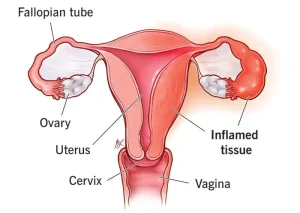
Pelvic Inflammatory Disease (PID) is an infection of the female reproductive organs, including the uterus, fallopian tubes, and ovaries. It usually occurs when bacteria from the vagina or cervix spread upward into the reproductive tract. PID is most commonly associated with sexually transmitted infections, particularly chlamydia and gonorrhea.
The condition can cause inflammation and damage to reproductive tissues. In some cases, the infection may be mild and produce few symptoms, but untreated PID can lead to serious complications such as infertility, chronic pelvic pain, or ectopic pregnancy. Early diagnosis and treatment with antibiotics are important to prevent long-term reproductive health problems.
Symptoms
Symptoms of Pelvic Inflammatory Disease can range from mild to severe, and some women may not notice symptoms at all.
Common symptoms include:
-
Lower abdominal or pelvic pain
-
Unusual vaginal discharge that may have a strong odor
-
Pain during sexual intercourse
-
Painful or difficult urination
-
Irregular menstrual bleeding
-
Fever and chills
-
Nausea or vomiting
-
Pain during pelvic examinations
Because symptoms can sometimes be mild or vague, the condition may go unnoticed until complications develop.
Causes
Pelvic Inflammatory Disease occurs when bacteria enter the reproductive organs and cause infection and inflammation. The most common cause is untreated sexually transmitted infections.
Common causes include:
-
Chlamydia infection
-
Gonorrhea infection
-
Bacteria that normally live in the vagina entering the reproductive tract
-
Infection after childbirth
-
Infection after miscarriage or abortion
-
Medical procedures involving the uterus, such as insertion of an intrauterine device
Once bacteria enter the reproductive organs, they can spread and cause inflammation and tissue damage.
Risk Factors
Several factors may increase the risk of developing Pelvic Inflammatory Disease.
These include:
-
Having multiple sexual partners
-
Unprotected sexual activity
-
Previous sexually transmitted infections
-
History of PID
-
Being sexually active before the age of 25
-
Douching, which can disturb normal vaginal bacteria
-
Recent insertion of an intrauterine device
Understanding these risk factors can help individuals take steps to reduce their risk.
Complications
If Pelvic Inflammatory Disease is not treated promptly, it can lead to serious long-term complications.
Possible complications include:
-
Infertility caused by damage to the fallopian tubes
-
Ectopic pregnancy, where a fertilized egg implants outside the uterus
-
Chronic pelvic pain
-
Abscess formation in the reproductive organs
-
Recurrent pelvic infections
-
Scarring of reproductive tissues
Early medical treatment greatly reduces the risk of these complications.
Prevention
Preventing Pelvic Inflammatory Disease mainly involves reducing the risk of sexually transmitted infections and maintaining good reproductive health.
Preventive measures may include:
-
Practicing safe sex and using condoms
-
Limiting the number of sexual partners
-
Regular screening for sexually transmitted infections
-
Seeking prompt treatment for any suspected infections
-
Avoiding vaginal douching
-
Ensuring that sexual partners are tested and treated for infections when necessary
Regular medical checkups and early treatment of infections can help protect reproductive health and reduce the risk of Pelvic Inflammatory Disease.
Advertisement
