
Overview
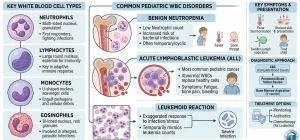
Pediatric white blood cell disorders are conditions that affect the number or function of white blood cells in children. White blood cells, also called leukocytes, are an important part of the immune system and help the body fight infections caused by bacteria, viruses, and other harmful organisms.
In children with white blood cell disorders, the body may produce too many, too few, or abnormal white blood cells. This can weaken the immune system and make it harder for the body to fight infections. These disorders can be temporary and mild or long-term and serious depending on the underlying cause.
Symptoms
The symptoms of pediatric white blood cell disorders depend on whether white blood cell levels are too high, too low, or functioning abnormally. Many symptoms are related to frequent infections or problems with the immune system.
Possible symptoms include:
-
Frequent infections such as ear infections, pneumonia, or skin infections
-
Fever that occurs repeatedly
-
Fatigue or weakness
-
Swollen lymph nodes
-
Slow healing of wounds
-
Mouth sores or gum infections
-
Unexplained bruising or bleeding
-
Pale skin
In some cases, symptoms may develop gradually and may not be immediately noticeable.
Causes
Pediatric white blood cell disorders can develop for several reasons. They may be caused by genetic conditions, infections, immune system problems, or diseases affecting the bone marrow where blood cells are produced.
Common causes include:
-
Genetic disorders affecting the immune system
-
Viral or bacterial infections that affect white blood cell production
-
Bone marrow disorders
-
Certain medications that suppress bone marrow function
-
Autoimmune diseases in which the immune system attacks its own cells
-
Blood cancers such as leukemia
The exact cause depends on the specific type of white blood cell disorder.
Risk Factors
Certain factors may increase the risk of white blood cell disorders in children.
These include:
-
Family history of immune system or blood disorders
-
Genetic syndromes that affect the immune system
-
Previous chemotherapy or radiation therapy
-
Exposure to certain medications or toxins
-
Chronic infections
-
Autoimmune conditions
Many children with these disorders may have underlying genetic or medical conditions that affect immune function.
Complications
If pediatric white blood cell disorders are not properly managed, they can lead to several complications related to infections and immune system dysfunction.
Possible complications include:
-
Severe or recurring infections
-
Delayed growth or development
-
Organ damage caused by repeated infections
-
Chronic inflammation
-
Increased risk of certain cancers such as leukemia
-
Long-term immune system problems
Early diagnosis and appropriate treatment are important to reduce these risks.
Prevention
In many cases, pediatric white blood cell disorders cannot be completely prevented, especially when they are caused by genetic conditions. However, certain steps may help support immune health and reduce infection risk.
Preventive measures may include:
-
Maintaining proper hygiene and regular handwashing
-
Keeping up with recommended childhood vaccinations
-
Ensuring a balanced diet to support immune function
-
Avoiding unnecessary exposure to infections
-
Regular pediatric checkups to monitor blood health
-
Following medical advice for children with known immune disorders
Early detection and ongoing medical care can help manage these conditions and improve the child’s overall health and quality of life.
Advertisement
