
Overview
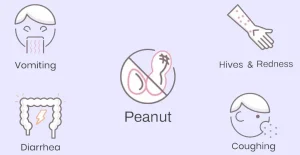
Peanut allergy is one of the most common and potentially serious food allergies. It occurs when the immune system mistakenly identifies proteins in peanuts as harmful substances and reacts by releasing chemicals that cause allergic symptoms. Even a very small amount of peanut exposure can trigger a reaction in sensitive individuals.
Peanut allergy often begins in childhood, although it can also develop in adults. The severity of reactions can vary from mild symptoms to a life-threatening allergic reaction known as anaphylaxis. Because of the risk of severe reactions, individuals with peanut allergy must avoid peanuts and peanut-containing products.
Symptoms
Symptoms of a peanut allergy usually appear within minutes to a few hours after exposure. The symptoms can range from mild to severe depending on the individual and the amount of peanut exposure.
Common symptoms include:
-
Skin reactions such as hives, redness, or itching
-
Swelling of the lips, face, tongue, or throat
-
Tingling or itching in the mouth or throat
-
Stomach pain, nausea, or vomiting
-
Diarrhea
-
Runny or stuffy nose
-
Sneezing
-
Shortness of breath or wheezing
-
Dizziness or fainting
In severe cases, peanut allergy can cause anaphylaxis, which may include difficulty breathing, a sudden drop in blood pressure, rapid pulse, and loss of consciousness. This is a medical emergency that requires immediate treatment.
Causes
Peanut allergy occurs when the immune system reacts abnormally to peanut proteins. Instead of recognizing peanuts as harmless, the body produces antibodies that trigger the release of chemicals such as histamine when peanuts are consumed.
This immune response leads to the symptoms associated with an allergic reaction. Peanut allergy can be triggered by:
-
Eating peanuts or foods that contain peanuts
-
Inhaling peanut particles in some cases
-
Skin contact with peanut products
The exact reason why some people develop peanut allergies while others do not is not fully understood.
Risk Factors
Several factors may increase the likelihood of developing a peanut allergy.
These include:
-
Family history of allergies or asthma
-
Having other food allergies
-
History of eczema or other allergic skin conditions
-
Young age, particularly early childhood
-
Previous allergic reactions to peanuts
Children with strong allergic tendencies are more likely to develop peanut allergy.
Complications
Peanut allergy can lead to serious health complications, especially if exposure occurs accidentally.
Possible complications include:
-
Severe allergic reaction known as anaphylaxis
-
Difficulty breathing due to airway swelling
-
Recurrent allergic reactions after accidental exposure
-
Anxiety related to avoiding peanut-containing foods
-
Increased risk of allergic reactions to other foods
Because reactions can occur rapidly, quick medical treatment is important in severe cases.
Prevention
Preventing peanut allergy reactions mainly involves avoiding exposure to peanuts and peanut-containing foods.
Helpful preventive steps include:
-
Carefully reading food labels to identify peanut ingredients
-
Avoiding foods that may contain hidden peanut products
-
Informing schools, caregivers, and restaurants about the allergy
-
Carrying emergency medication such as an epinephrine auto-injector if prescribed
-
Practicing good food safety to avoid cross-contamination
-
Following medical advice regarding allergy management
Early diagnosis and proper allergy management can help reduce the risk of severe reactions and allow individuals with peanut allergy to live safely.
Advertisement
