
Overview
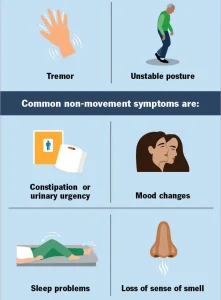
Parkinson’s Disease is a progressive neurological disorder that primarily affects movement. It develops when nerve cells in a part of the brain called the substantia nigra become damaged or die. These cells normally produce dopamine, a chemical that helps control smooth and coordinated muscle movements. As dopamine levels decrease, movement becomes slower and less controlled.
Parkinson’s Disease usually develops gradually and symptoms may start subtly, often on one side of the body. Over time, the condition can affect both sides and may lead to difficulties with walking, balance, and daily activities. Although there is currently no cure, treatments and lifestyle changes can help manage symptoms and improve quality of life.
Symptoms
Symptoms of Parkinson’s Disease can vary from person to person and often progress slowly over time. The most common symptoms involve movement problems, but non-movement symptoms may also occur.
Common motor symptoms include:
-
Tremor, usually starting in the hands or fingers while at rest
-
Slowed movement (bradykinesia)
-
Muscle stiffness or rigidity
-
Problems with balance and posture
-
Shuffling walk or smaller steps
-
Reduced arm swinging while walking
-
Changes in handwriting, often becoming smaller
Non-motor symptoms may include:
-
Loss of sense of smell
-
Sleep disturbances
-
Fatigue
-
Constipation
-
Depression or anxiety
-
Memory and thinking difficulties
-
Soft or low voice
-
Difficulty swallowing in later stages
Causes
The exact cause of Parkinson’s Disease is not fully understood, but it involves the gradual loss of dopamine-producing nerve cells in the brain. Researchers believe the condition results from a combination of genetic and environmental factors.
Possible contributing factors include:
-
Degeneration of dopamine-producing neurons in the brain
-
Presence of abnormal protein deposits called Lewy bodies
-
Genetic mutations that may increase susceptibility
-
Exposure to certain environmental toxins
-
Oxidative stress and inflammation affecting brain cells
In many people, the disease develops without a clearly identifiable cause.
Risk Factors
Several factors may increase the likelihood of developing Parkinson’s Disease.
These include:
-
Age, as the risk increases significantly after age 60
-
Family history of Parkinson’s Disease
-
Certain genetic mutations
-
Long-term exposure to pesticides or environmental toxins
-
Male gender, as men are slightly more likely to develop the disease
-
Head injuries that affect brain function
Having one or more risk factors does not necessarily mean a person will develop the condition, but it may increase the probability.
Complications
As Parkinson’s Disease progresses, it can lead to several complications that affect both physical and mental health.
Possible complications include:
-
Difficulty walking or maintaining balance
-
Frequent falls and injuries
-
Trouble speaking clearly
-
Difficulty swallowing, which may lead to choking
-
Cognitive decline or dementia
-
Depression and mood disorders
-
Sleep disorders such as insomnia or REM sleep behavior disorder
-
Urinary problems or constipation
Proper medical care and supportive therapies can help reduce the impact of many of these complications.
Prevention
There is currently no proven way to completely prevent Parkinson’s Disease. However, some lifestyle habits may help support brain health and potentially reduce risk.
Helpful preventive approaches may include:
-
Regular physical exercise to maintain brain and muscle function
-
Eating a balanced diet rich in fruits, vegetables, and antioxidants
-
Protecting the head from injuries by using helmets when necessary
-
Limiting exposure to harmful environmental toxins
-
Maintaining mental and social activity to support brain health
Early diagnosis and proper medical care can help manage symptoms effectively and improve long-term outcomes for people living with Parkinson’s Disease.
Advertisement
