
Overview
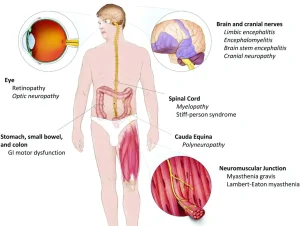
Paraneoplastic syndromes of the nervous system are rare disorders that occur when the body’s immune system reacts to a cancer somewhere in the body and mistakenly attacks parts of the nervous system. Instead of directly invading the nervous system, the cancer triggers an abnormal immune response that damages nerves, the brain, or the spinal cord.
These syndromes are most commonly associated with cancers such as lung cancer, breast cancer, ovarian cancer, and certain lymphomas. In many cases, the neurological symptoms appear before the cancer itself is diagnosed, making the condition difficult to recognize initially.
Paraneoplastic neurological syndromes can affect different parts of the nervous system, including the brain, spinal cord, peripheral nerves, and muscles. Early diagnosis and treatment of the underlying cancer are essential to prevent further nerve damage.
Symptoms
The symptoms of paraneoplastic syndromes of the nervous system vary depending on which part of the nervous system is affected. Symptoms may develop gradually or appear suddenly.
Common symptoms include:
-
Difficulty with balance or coordination
-
Muscle weakness
-
Numbness or tingling in the limbs
-
Memory problems or confusion
-
Difficulty speaking or swallowing
-
Vision problems or abnormal eye movements
-
Seizures
-
Persistent dizziness
-
Sleep disturbances
-
Involuntary muscle movements
In some cases, these symptoms may worsen rapidly if the underlying cancer is not treated.
Causes
Paraneoplastic syndromes of the nervous system occur when the immune system responds to proteins produced by a tumor. The immune system creates antibodies and immune cells that attack the cancer cells, but these immune responses may also mistakenly target healthy nerve cells.
This immune reaction leads to inflammation and damage in different areas of the nervous system. Because the immune system is involved, the damage can continue even when the tumor is small or difficult to detect.
These syndromes are not caused by the direct spread of cancer to the nervous system, but rather by the body’s immune response to the tumor.
Risk Factors
Several factors may increase the risk of developing paraneoplastic neurological syndromes.
Important risk factors include:
-
Presence of certain types of cancer, especially lung cancer
-
Breast cancer
-
Ovarian cancer
-
Testicular cancer
-
Lymphoma
-
A strong immune response to tumor-related proteins
Although these syndromes are uncommon, they occur more frequently in individuals with cancers that produce specific proteins that trigger immune reactions.
Complications
Paraneoplastic syndromes of the nervous system can lead to serious complications if not diagnosed and treated promptly.
Possible complications include:
-
Permanent nerve damage
-
Severe muscle weakness
-
Loss of coordination or balance
-
Difficulty swallowing or speaking
-
Chronic pain or sensory problems
-
Cognitive impairment or memory loss
-
Reduced ability to perform daily activities
In severe cases, neurological damage may become irreversible even if the underlying cancer is treated.
Prevention
There is no specific way to prevent paraneoplastic syndromes of the nervous system because they are linked to the body’s immune response to cancer. However, early detection and treatment of cancer may reduce the risk of developing these complications.
Preventive and management strategies include:
-
Regular health screenings for early detection of cancer
-
Prompt medical evaluation of unexplained neurological symptoms
-
Monitoring individuals with known cancers for new neurological changes
-
Following recommended cancer treatments and medical care
Early diagnosis of both the neurological condition and the underlying cancer can help limit nerve damage and improve overall outcomes.
Advertisement
