
Overview
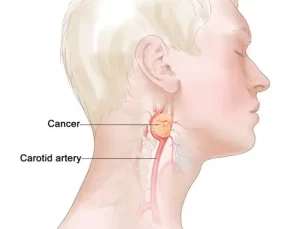
Paraganglioma is a rare type of tumor that develops from specialized cells called paraganglia. These cells are part of the body’s neuroendocrine system and are involved in regulating functions such as blood pressure and the body’s response to stress. Paraganglia are found in various parts of the body, particularly along nerves and blood vessels.
Paragangliomas can occur in different areas, including the head, neck, chest, abdomen, and pelvis. Some tumors produce hormones called catecholamines, which can affect blood pressure and heart rate, while others do not produce hormones and may remain silent for a long time.
Most paragangliomas are benign, meaning they are not cancerous, but some can become malignant and spread to other parts of the body. Early diagnosis and proper treatment are important to manage symptoms and prevent complications.
Symptoms
The symptoms of paraganglioma depend on the location of the tumor and whether it produces hormones. Some tumors cause noticeable symptoms, while others may be discovered incidentally during imaging tests.
Common symptoms include:
-
High blood pressure
-
Rapid or irregular heartbeat
-
Severe headaches
-
Excessive sweating
-
Anxiety or panic-like feelings
-
Tremors or shaking
-
Palpitations
-
Shortness of breath
-
Pain or a noticeable lump in the affected area
If the tumor occurs in the head or neck region, it may cause additional symptoms such as hearing problems, difficulty swallowing, or changes in voice.
Causes
The exact cause of paraganglioma is not always known. The condition develops when neuroendocrine cells grow abnormally and form a tumor.
In some cases, genetic mutations passed through families may increase the risk of developing paragangliomas. These mutations can affect genes that regulate cell growth and the body’s oxygen-sensing mechanisms.
Because of the genetic component in certain cases, people diagnosed with paraganglioma may be advised to undergo genetic testing to determine if an inherited condition is present.
Risk Factors
Several factors may increase the likelihood of developing paraganglioma.
Important risk factors include:
-
Family history of paraganglioma
-
Inherited genetic syndromes
-
Mutations in specific genes related to the neuroendocrine system
-
Certain hereditary conditions that affect tumor development
Individuals with hereditary syndromes may develop paragangliomas at a younger age or develop multiple tumors over time.
Complications
If paragangliomas produce hormones or grow large enough to affect nearby structures, several complications can occur.
Possible complications include:
-
Persistent high blood pressure
-
Heart rhythm abnormalities
-
Stroke or heart attack due to uncontrolled blood pressure
-
Compression of nearby nerves or organs
-
Spread of cancer to other organs in malignant cases
Hormone-producing tumors can also lead to sudden spikes in blood pressure, which may be dangerous if not treated properly.
Prevention
There is no guaranteed way to prevent paraganglioma, particularly when genetic factors are involved. However, early detection and monitoring can help manage the condition effectively.
Preventive and risk-reducing strategies include:
-
Genetic counseling for individuals with a family history of paraganglioma
-
Regular medical checkups for people with inherited risk factors
-
Monitoring blood pressure and unusual symptoms
-
Seeking medical attention for persistent headaches, palpitations, or unexplained high blood pressure
Early diagnosis and appropriate treatment can significantly improve outcomes and reduce the risk of complications associated with paraganglioma.
Advertisement
