
Overview
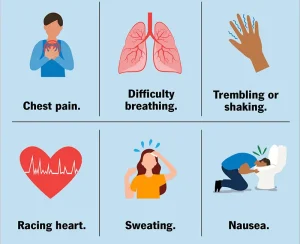
Panic attacks and panic disorder are conditions related to sudden and intense episodes of fear or discomfort. A panic attack is a brief period of overwhelming anxiety that can cause strong physical and emotional symptoms. These attacks often occur unexpectedly and may happen even when there is no obvious danger.
Panic disorder is a type of anxiety disorder in which a person experiences repeated panic attacks and lives with persistent worry about having another attack. This fear may lead individuals to avoid certain places, situations, or activities where they believe a panic attack might occur.
Although panic attacks can be frightening, they are not life-threatening. With proper treatment and support, many people are able to manage their symptoms and lead normal, healthy lives.
Symptoms
Panic attacks usually begin suddenly and reach their peak within a few minutes. Symptoms can vary from person to person, but they often involve both physical and emotional reactions.
Common symptoms include:
-
Rapid or pounding heartbeat
-
Shortness of breath or difficulty breathing
-
Chest pain or discomfort
-
Sweating
-
Trembling or shaking
-
Dizziness or lightheadedness
-
Nausea or stomach discomfort
-
Chills or hot flashes
-
Feeling detached from reality or oneself
-
Fear of losing control or going crazy
-
Intense fear of dying
People with panic disorder may also experience ongoing anxiety about future attacks and may avoid situations that they associate with previous episodes.
Causes
The exact cause of panic attacks and panic disorder is not fully understood. Researchers believe that a combination of biological, psychological, and environmental factors may contribute to the condition.
Changes in brain function related to the body’s stress response may play a role. Certain areas of the brain that control fear and emotional regulation may become overly sensitive or reactive.
Stressful life events, major changes, or traumatic experiences can sometimes trigger the first panic attack. In other cases, panic attacks may occur without a clear cause.
Risk Factors
Several factors may increase the likelihood of developing panic attacks or panic disorder.
Important risk factors include:
-
Family history of anxiety or panic disorders
-
Major life stress such as loss of a loved one or financial problems
-
Traumatic experiences or childhood adversity
-
Personality traits that make a person more sensitive to stress
-
Smoking or excessive caffeine intake
-
Certain medical conditions or medications
Panic disorder often begins in late adolescence or early adulthood and is more common in women than in men.
Complications
If panic disorder is left untreated, it can interfere with daily life and emotional well-being.
Possible complications include:
-
Development of other anxiety disorders
-
Depression
-
Avoidance of social situations or public places
-
Difficulty maintaining work or school responsibilities
-
Increased risk of substance misuse
-
Social isolation
-
Reduced quality of life
Early diagnosis and treatment can greatly reduce the impact of these complications.
Prevention
While it may not always be possible to completely prevent panic attacks or panic disorder, certain strategies may help reduce the risk or severity of symptoms.
Preventive measures include:
-
Learning stress management techniques
-
Practicing relaxation exercises such as deep breathing or meditation
-
Maintaining regular physical activity
-
Getting adequate sleep
-
Limiting caffeine and stimulant intake
-
Seeking early support for anxiety or emotional distress
Professional treatments such as therapy, counseling, and medication can also help individuals manage panic disorder effectively and prevent frequent panic attacks.
Advertisement
