
Overview
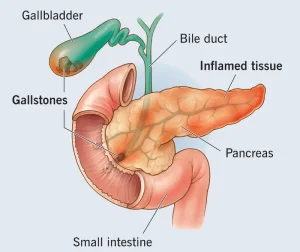
Pancreatitis is a condition characterized by inflammation of the pancreas, an organ located behind the stomach that plays an essential role in digestion and blood sugar regulation. The pancreas produces digestive enzymes that help break down food and hormones such as insulin that control blood sugar levels.
When the pancreas becomes inflamed, its digestive enzymes may start attacking the pancreatic tissue itself instead of being released into the small intestine. This can cause swelling, irritation, and damage to the pancreas.
Pancreatitis can occur suddenly as acute pancreatitis or develop gradually over time as chronic pancreatitis. Acute pancreatitis usually appears suddenly and may improve with proper treatment, while chronic pancreatitis is a long-term condition that can lead to permanent damage to the pancreas.
Symptoms
The symptoms of pancreatitis can vary depending on whether the condition is acute or chronic.
Common symptoms include:
-
Severe upper abdominal pain that may spread to the back
-
Abdominal tenderness or swelling
-
Nausea and vomiting
-
Fever
-
Rapid pulse
-
Loss of appetite
-
Unexplained weight loss
-
Oily or foul-smelling stools in chronic cases
-
Fatigue and weakness
The abdominal pain often becomes worse after eating or drinking, especially foods high in fat.
Causes
Pancreatitis can develop when digestive enzymes become activated while still inside the pancreas, leading to inflammation and tissue damage.
Common causes include:
-
Gallstones that block the pancreatic duct
-
Heavy alcohol consumption
-
Abdominal injury or trauma
-
Certain medications
-
Infections
-
High levels of triglycerides in the blood
-
High calcium levels in the blood
-
Complications after abdominal surgery
In some cases, the exact cause of pancreatitis may not be identified.
Risk Factors
Several factors may increase the likelihood of developing pancreatitis.
Important risk factors include:
-
Excessive alcohol use
-
Gallstones
-
Smoking
-
Obesity
-
Family history of pancreatitis
-
High triglyceride levels
-
Certain genetic disorders affecting the pancreas
-
Previous episodes of pancreatitis
People who have had pancreatitis before may be at a higher risk of experiencing it again.
Complications
If pancreatitis is severe or not treated promptly, it can lead to several serious complications.
Possible complications include:
-
Infection of the pancreas
-
Formation of pancreatic pseudocysts
-
Breathing problems due to inflammation affecting the lungs
-
Kidney failure
-
Malnutrition due to poor digestion
-
Diabetes resulting from damage to insulin-producing cells
-
Internal bleeding
Chronic pancreatitis can also lead to long-term digestive problems and persistent abdominal pain.
Prevention
While not all cases of pancreatitis can be prevented, certain lifestyle choices can help reduce the risk.
Preventive measures include:
-
Limiting or avoiding alcohol consumption
-
Maintaining a healthy body weight
-
Eating a balanced diet low in unhealthy fats
-
Managing cholesterol and triglyceride levels
-
Quitting smoking
-
Seeking treatment for gallstones if they are present
Early medical care and proper management of risk factors can help protect pancreatic health and reduce the chances of developing pancreatitis.
Advertisement
