
Overview
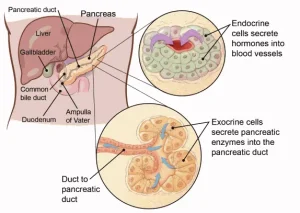
Pancreatic neuroendocrine tumors are rare tumors that develop from the hormone-producing cells of the pancreas, known as neuroendocrine cells. These cells are responsible for releasing hormones into the bloodstream that help regulate various body functions, including digestion and blood sugar levels.
Pancreatic neuroendocrine tumors grow differently from the more common type of pancreatic cancer called pancreatic adenocarcinoma. In many cases, these tumors grow more slowly and may have a better prognosis if detected early. They can be classified as functional or nonfunctional depending on whether they produce excess hormones.
Functional tumors release large amounts of hormones that can cause noticeable symptoms, while nonfunctional tumors usually do not produce hormones and may remain undetected until they grow larger or spread to other organs.
Symptoms
The symptoms of pancreatic neuroendocrine tumors vary depending on whether the tumor produces hormones and where it is located in the pancreas.
General symptoms may include:
-
Abdominal pain
-
Unexplained weight loss
-
Loss of appetite
-
Nausea or vomiting
-
Fatigue
-
Jaundice, which causes yellowing of the skin and eyes
Functional tumors may cause symptoms related to hormone overproduction, such as:
-
Frequent low blood sugar levels
-
Severe stomach ulcers
-
Persistent diarrhea
-
Skin rashes
-
Rapid heartbeat or weakness
Symptoms often develop gradually and may worsen as the tumor grows.
Causes
The exact cause of pancreatic neuroendocrine tumors is not fully understood. These tumors develop when genetic mutations occur in the neuroendocrine cells of the pancreas, causing them to grow and divide uncontrollably.
In some individuals, inherited genetic conditions may increase the likelihood of developing these tumors. However, many cases occur without a clear genetic cause.
Certain hereditary syndromes can affect the endocrine system and increase the risk of tumor formation in the pancreas and other organs.
Risk Factors
Several factors may increase the risk of developing pancreatic neuroendocrine tumors.
Important risk factors include:
-
Family history of neuroendocrine tumors
-
Inherited genetic conditions affecting hormone-producing glands
-
Multiple endocrine neoplasia type 1
-
Von Hippel-Lindau disease
-
Neurofibromatosis type 1
-
Tuberous sclerosis complex
Although these conditions increase risk, many people diagnosed with pancreatic neuroendocrine tumors do not have a known hereditary syndrome.
Complications
If pancreatic neuroendocrine tumors grow larger or spread to other parts of the body, several complications may occur.
Possible complications include:
-
Spread of cancer to the liver or other organs
-
Severe hormone imbalances
-
Blockage of the bile duct causing jaundice
-
Intestinal obstruction
-
Nutritional deficiencies due to digestive problems
-
Persistent low blood sugar levels in certain tumor types
Early diagnosis and appropriate treatment can help manage symptoms and reduce the risk of serious complications.
Prevention
There is no guaranteed method to prevent pancreatic neuroendocrine tumors. However, awareness of personal and family medical history may help with early detection.
Preventive and risk-reducing measures include:
-
Regular medical checkups for individuals with hereditary syndromes
-
Genetic counseling when there is a strong family history of endocrine tumors
-
Maintaining a healthy lifestyle with balanced nutrition and regular exercise
-
Avoiding smoking and excessive alcohol consumption
-
Seeking medical attention for persistent digestive or hormonal symptoms
Monitoring high-risk individuals and recognizing early symptoms can help improve treatment outcomes and long-term health.
Advertisement
