
Overview
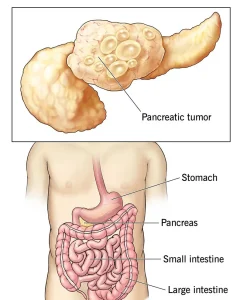
Pancreatic cancer is a serious disease in which abnormal cells grow uncontrollably in the pancreas, an organ located behind the stomach that plays an important role in digestion and blood sugar regulation. The pancreas produces digestive enzymes that help break down food and hormones such as insulin that control blood sugar levels.
Pancreatic cancer often develops silently in its early stages and may not cause noticeable symptoms until it has advanced. Because of this, it is frequently diagnosed at a later stage when the disease has already spread to nearby organs or tissues. The most common type is pancreatic ductal adenocarcinoma, which begins in the ducts of the pancreas.
Early detection can be difficult, but advances in medical treatments and improved awareness have helped increase survival rates in some cases.
Symptoms
Symptoms of pancreatic cancer may not appear until the disease progresses. When they do occur, they can vary depending on the location and stage of the tumor.
Common symptoms include:
-
Persistent abdominal pain that may spread to the back
-
Unexplained weight loss
-
Loss of appetite
-
Yellowing of the skin and eyes (jaundice)
-
Dark urine and pale-colored stools
-
Fatigue and weakness
-
Nausea and vomiting
-
New-onset diabetes or worsening of existing diabetes
-
Itchy skin
-
Blood clots
These symptoms can also be caused by other medical conditions, so medical evaluation is important for an accurate diagnosis.
Causes
The exact cause of pancreatic cancer is not fully understood. It occurs when genetic mutations cause pancreatic cells to grow and divide uncontrollably. These abnormal cells can form a tumor and may eventually invade nearby tissues or spread to other parts of the body.
Researchers believe that a combination of genetic changes, lifestyle factors, and environmental influences may contribute to the development of pancreatic cancer. Long-term inflammation of the pancreas, known as chronic pancreatitis, may also increase the risk.
Risk Factors
Several factors may increase the risk of developing pancreatic cancer.
Important risk factors include:
-
Age over 60
-
Smoking
-
Family history of pancreatic cancer
-
Chronic pancreatitis
-
Diabetes, especially recent onset in older adults
-
Obesity
-
Diet high in processed or red meat
-
Genetic syndromes such as BRCA gene mutations
-
Heavy alcohol consumption
Having one or more of these risk factors does not necessarily mean a person will develop pancreatic cancer, but it may increase the likelihood.
Complications
Pancreatic cancer can lead to several serious complications as the disease progresses.
Possible complications include:
-
Spread of cancer to the liver, lungs, or other organs
-
Severe pain due to tumor pressure on nerves
-
Jaundice caused by blockage of the bile duct
-
Intestinal obstruction
-
Malnutrition due to poor digestion and appetite loss
-
Blood clots
-
Difficulty controlling blood sugar levels
Managing these complications often requires supportive care and specialized medical treatment.
Prevention
There is no guaranteed way to prevent pancreatic cancer, but certain lifestyle changes may help lower the risk.
Preventive measures include:
-
Avoiding smoking
-
Maintaining a healthy body weight
-
Eating a balanced diet rich in fruits, vegetables, and whole grains
-
Limiting processed meats and high-fat foods
-
Exercising regularly
-
Limiting alcohol consumption
-
Managing chronic health conditions such as diabetes
Regular medical checkups and discussing family history with a healthcare provider may also help identify individuals who may benefit from closer monitoring.
Advertisement
