
Overview
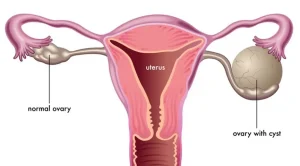
Ovarian cysts are fluid-filled sacs that develop on or inside the ovaries. They are common and often form during the menstrual cycle. Most ovarian cysts are harmless and resolve on their own, but some can cause pain, complications, or indicate underlying medical conditions. Ovarian cysts can occur in women of all ages but are most common during reproductive years.
Symptoms
Many ovarian cysts are asymptomatic, but larger or problematic cysts may cause:
-
Pelvic or lower abdominal pain
-
Bloating or a feeling of fullness
-
Pain during intercourse
-
Irregular menstrual cycles or changes in bleeding
-
Frequent urination or difficulty emptying the bladder
-
Nausea or vomiting (if the cyst causes ovarian torsion)
-
Sudden, severe abdominal pain (in case of rupture)
Causes
Ovarian cysts form for various reasons, often related to the menstrual cycle:
-
Follicular cysts, when the follicle does not release an egg
-
Corpus luteum cysts, when the follicle seals after ovulation
-
Endometriomas, caused by endometriosis
-
Cysts associated with polycystic ovary syndrome (PCOS)
-
Tumor-related cysts, which are rare and may be benign or malignant
Risk Factors
Factors that increase the likelihood of developing ovarian cysts include:
-
Hormonal imbalances or fertility treatments
-
Irregular menstrual cycles
-
Pregnancy
-
Endometriosis
-
Polycystic ovary syndrome (PCOS)
-
Previous ovarian cysts
-
Obesity
Complications
While most ovarian cysts are harmless, they can sometimes lead to complications:
-
Ovarian torsion, causing severe pain and loss of blood supply to the ovary
-
Rupture of a cyst, leading to internal bleeding and sudden pain
-
Infertility in cases related to PCOS or endometriomas
-
Rarely, ovarian cancer in tumor-related cysts
-
Persistent pain or discomfort affecting daily activities
Prevention
Ovarian cysts cannot always be prevented, but risk reduction and early detection are possible:
-
Regular gynecologic check-ups and pelvic exams
-
Monitoring symptoms such as pelvic pain or irregular periods
-
Managing underlying conditions like PCOS or endometriosis
-
Maintaining a healthy weight and lifestyle
-
Prompt medical evaluation for sudden or severe abdominal pain
Advertisement
