
Overview
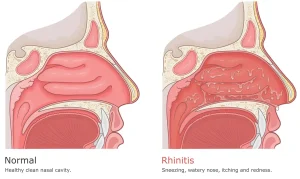
Nonallergic rhinitis is a condition characterized by chronic nasal symptoms that resemble allergies but are not caused by an allergic reaction. It occurs when the nasal passages become irritated or inflamed in response to nonallergic triggers. The condition can affect people of all ages and often persists throughout the year rather than occurring seasonally. Unlike allergic rhinitis, nonallergic rhinitis does not involve the immune system reacting to allergens.
Symptoms
Symptoms of nonallergic rhinitis may be mild to persistent and often include:
-
Nasal congestion or stuffiness
-
Runny nose
-
Sneezing
-
Postnasal drip
-
Cough related to throat irritation
-
Reduced sense of smell
Itching of the nose, eyes, or throat is usually minimal or absent.
Causes
Nonallergic rhinitis is caused by irritation or abnormal sensitivity of the nasal blood vessels and nerves. Various environmental, physical, or chemical factors can trigger symptoms. These triggers cause the nasal tissues to swell and produce excess mucus, leading to congestion and drainage.
Risk Factors
Several factors increase the risk of developing nonallergic rhinitis:
-
Exposure to strong odors, smoke, or air pollution
-
Changes in weather or temperature
-
Certain medications, including blood pressure drugs or nasal sprays
-
Hormonal changes during pregnancy or menopause
-
Chronic medical conditions such as hypothyroidism
-
Age-related changes in nasal tissues
The condition may coexist with allergic rhinitis in some individuals.
Complications
Nonallergic rhinitis can lead to complications if symptoms are persistent:
-
Chronic sinus congestion or sinus infections
-
Nasal polyps in long-standing cases
-
Sleep disturbances due to nasal blockage
-
Reduced quality of life
-
Difficulty concentrating or daytime fatigue
Managing triggers helps reduce the risk of complications.
Prevention
Nonallergic rhinitis cannot always be prevented, but symptoms can often be reduced:
-
Identifying and avoiding known triggers
-
Using saline nasal sprays to keep nasal passages moist
-
Avoiding overuse of decongestant nasal sprays
-
Maintaining good indoor air quality
-
Managing underlying health conditions
Early recognition and proper management help control symptoms and improve daily comfort for individuals with nonallergic rhinitis.
Advertisement
