
Overview
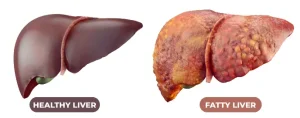
Nonalcoholic fatty liver disease is a condition in which excess fat builds up in the liver of people who drink little or no alcohol. It is one of the most common liver disorders worldwide and is closely linked to obesity, insulin resistance, and metabolic syndrome. Nonalcoholic fatty liver disease ranges from simple fat accumulation in the liver to more severe inflammation and liver damage, which can progress to advanced liver disease over time.
Symptoms
Many people with nonalcoholic fatty liver disease have no symptoms, especially in the early stages. When symptoms do occur, they may include:
-
Fatigue or low energy
-
Discomfort or pain in the upper right abdomen
-
Unexplained weight loss
-
Weakness
Symptoms often appear as the disease progresses to more severe forms.
Causes
Nonalcoholic fatty liver disease develops when the liver accumulates excess fat due to metabolic imbalances. Insulin resistance plays a major role, causing fat to be stored in the liver instead of being properly processed. Genetics, diet, and lifestyle factors also contribute to abnormal fat buildup and liver inflammation.
Risk Factors
Several factors increase the risk of nonalcoholic fatty liver disease:
-
Overweight or obesity
-
Type 2 diabetes or insulin resistance
-
High cholesterol or triglyceride levels
-
Metabolic syndrome
-
Sedentary lifestyle
-
Family history of liver disease
The condition can also occur in people who are not overweight but have other metabolic risks.
Complications
If untreated, nonalcoholic fatty liver disease may lead to serious complications:
-
Nonalcoholic steatohepatitis with liver inflammation
-
Liver fibrosis and scarring
-
Cirrhosis
-
Liver failure
-
Increased risk of liver cancer
-
Higher risk of cardiovascular disease
Disease progression may occur slowly over many years.
Prevention
Nonalcoholic fatty liver disease can often be prevented or managed through lifestyle changes:
-
Maintaining a healthy body weight
-
Eating a balanced diet rich in fruits, vegetables, and whole grains
-
Limiting sugar and saturated fat intake
-
Engaging in regular physical activity
-
Managing diabetes, cholesterol, and blood pressure
-
Avoiding unnecessary alcohol consumption
Early lifestyle intervention and regular medical monitoring are key to preventing disease progression and protecting liver health.
Advertisement
