
Overview
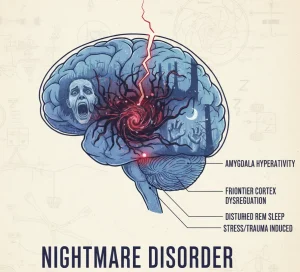
Nightmare disorder is a sleep disorder characterized by recurrent, vivid, and distressing dreams that typically involve threats to survival, safety, or physical integrity. These nightmares usually occur during rapid eye movement sleep and often cause abrupt awakenings with clear recall of the dream content. Nightmare disorder can affect both children and adults and may interfere with sleep quality, emotional well-being, and daily functioning when episodes are frequent or severe.
Symptoms
Symptoms of nightmare disorder may vary in intensity and frequency:
-
Recurrent frightening or disturbing dreams
-
Sudden awakening with full alertness
-
Detailed recall of dream content upon waking
-
Difficulty returning to sleep after a nightmare
-
Daytime fatigue or sleepiness
-
Anxiety, fear, or mood disturbances related to sleep
-
Avoidance of sleep due to fear of nightmares
Symptoms must cause distress or impairment to be considered a disorder.
Causes
Nightmare disorder may occur on its own or be associated with other conditions. Possible causes include psychological, neurological, and environmental factors. Stressful life events, trauma, anxiety disorders, and post-traumatic stress disorder are common contributors. Certain medications, substance use, sleep deprivation, and irregular sleep schedules may also trigger or worsen nightmares.
Risk Factors
Several factors increase the likelihood of developing nightmare disorder:
-
History of trauma or post-traumatic stress disorder
-
Anxiety or mood disorders
-
Chronic stress or emotional distress
-
Use of certain medications that affect sleep or dreaming
-
Substance use or withdrawal
-
Irregular sleep patterns
Children and individuals with mental health conditions may be at higher risk.
Complications
If left untreated, nightmare disorder can lead to various complications:
-
Chronic sleep disruption and insomnia
-
Daytime fatigue and reduced concentration
-
Increased anxiety or depression
-
Impaired work or school performance
-
Strained personal relationships
-
Reduced overall quality of life
Frequent nightmares can significantly affect emotional and physical health.
Prevention
Nightmare disorder cannot always be prevented, but certain strategies may reduce frequency and severity:
-
Maintaining a consistent sleep schedule
-
Practicing stress management and relaxation techniques
-
Avoiding caffeine, alcohol, and heavy meals before bedtime
-
Creating a calm and comfortable sleep environment
-
Seeking early treatment for anxiety, trauma, or sleep problems
Healthy sleep habits and prompt management of underlying conditions play an important role in preventing persistent nightmare disorder.
Advertisement
