
Overview
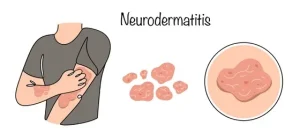
Neurodermatitis, also known as lichen simplex chronicus, is a chronic skin condition characterized by persistent itching and thickened, leathery skin. It develops as a result of repeated scratching or rubbing of the skin, which worsens irritation and creates an ongoing itch-scratch cycle. Neurodermatitis is not contagious and commonly affects areas such as the neck, scalp, wrists, forearms, ankles, and genital region.
Symptoms
Symptoms of neurodermatitis may develop gradually and tend to worsen over time:
-
Intense itching that may be worse at night or during periods of stress
-
Thickened, leathery, or scaly patches of skin
-
Clearly defined areas of rough or raised skin
-
Skin discoloration, which may appear darker or redder than surrounding skin
-
Dry or cracked skin in the affected area
Scratching may provide temporary relief but ultimately increases irritation.
Causes
Neurodermatitis is caused by repeated scratching or rubbing of the skin. The initial itch may begin due to another skin condition, insect bite, dry skin, or irritation. Over time, frequent scratching alters the skin structure and nerve sensitivity, making the area more prone to itching. Emotional stress, anxiety, and tension are known to aggravate the condition.
Risk Factors
Several factors may increase the likelihood of developing neurodermatitis:
-
History of eczema, psoriasis, or other chronic skin conditions
-
High levels of stress or anxiety
-
Dry or sensitive skin
-
Exposure to irritants such as chemicals, rough fabrics, or allergens
-
Female sex and middle age
The condition often develops in individuals prone to habitual scratching.
Complications
If neurodermatitis is not properly managed, complications may occur:
-
Persistent skin thickening and scarring
-
Secondary bacterial skin infections
-
Skin discoloration that may become permanent
-
Sleep disturbances due to chronic itching
-
Reduced quality of life from ongoing discomfort
Breaking the itch-scratch cycle is essential to prevent long-term skin damage.
Prevention
Neurodermatitis cannot always be prevented, but certain measures may help reduce flare-ups:
-
Avoiding scratching or rubbing affected areas
-
Managing stress through relaxation techniques
-
Keeping skin well moisturized
-
Using mild, fragrance-free skincare products
-
Wearing soft, breathable clothing
-
Seeking early treatment for persistent itching
Consistent skin care and early intervention play a key role in controlling neurodermatitis and preventing complications.
Advertisement
