
Overview
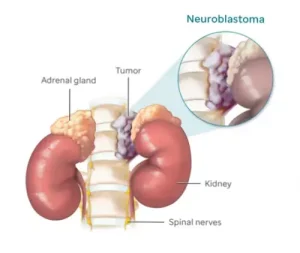
Neuroblastoma is a rare type of cancer that develops from immature nerve cells, most commonly in and around the adrenal glands, which sit above the kidneys. It primarily affects infants and young children, usually under the age of 5. Neuroblastoma can also develop in nerve tissue along the spine, chest, abdomen, or pelvis. The behavior of this cancer varies widely, from slow-growing tumors to aggressive forms that spread rapidly.
Symptoms
Symptoms of neuroblastoma depend on the location and size of the tumor, as well as whether it has spread:
-
Abdominal swelling or a noticeable lump
-
Pain in the affected area
-
Unexplained bruising around the eyes (“raccoon eyes”)
-
Drooping eyelids or unequal pupil size
-
Bone pain if cancer has spread to bones
-
Fever, fatigue, or weight loss
-
Constipation or difficulty breathing, depending on tumor location
Symptoms may develop gradually or appear suddenly, depending on tumor growth.
Causes
Neuroblastoma arises from abnormal development of neural crest cells, which form nerve tissue during fetal development. The exact cause is not fully understood, but it involves genetic mutations that affect cell growth and division. Most cases are sporadic, although a small percentage are linked to inherited genetic factors.
Risk Factors
Factors that may increase the risk of neuroblastoma include:
-
Age under 5 years, particularly infants
-
Family history of neuroblastoma or related genetic mutations
-
Certain inherited gene mutations, though rare
-
Exposure to environmental factors during pregnancy may play a minor role
The disease is more common in children than in adults.
Complications
Neuroblastoma can lead to complications depending on tumor location and progression:
-
Spread (metastasis) to bones, bone marrow, liver, or other organs
-
Compression of vital organs or nerves, leading to breathing or movement difficulties
-
Side effects from chemotherapy, radiation, or surgery
-
Recurrence of the cancer after treatment
-
Long-term effects on growth and development in children
Early detection and treatment improve outcomes and reduce the risk of serious complications.
Prevention
There is no known way to prevent neuroblastoma, but early detection can improve prognosis:
-
Prompt medical evaluation for unexplained lumps, swelling, or persistent symptoms in children
-
Regular pediatric check-ups to monitor growth and development
-
Genetic counseling for families with a history of neuroblastoma
Timely diagnosis and appropriate treatment are essential for improving survival and quality of life in children with neuroblastoma.
Advertisement
