
Overview
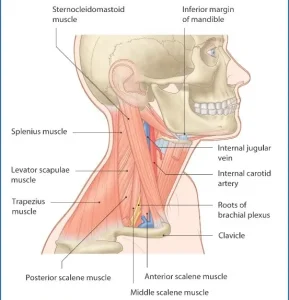
Neck pain is a common condition that affects the muscles, ligaments, joints, or nerves of the cervical spine. It can range from mild discomfort to severe pain that interferes with daily activities. Neck pain may develop suddenly due to injury or gradually as a result of poor posture, repetitive strain, or age-related changes. In most cases, neck pain improves with simple care, but persistent or worsening symptoms may indicate an underlying medical condition.
Symptoms
Symptoms of neck pain vary depending on the cause and severity:
-
Aching, stiffness, or soreness in the neck
-
Reduced range of motion or difficulty turning the head
-
Sharp or shooting pain with certain movements
-
Muscle tightness or spasms
-
Headaches that start at the base of the skull
-
Pain that radiates to the shoulders, arms, or upper back
-
Tingling, numbness, or weakness in the arms in nerve-related cases
Symptoms may worsen with prolonged sitting, poor posture, or sudden movements.
Causes
Neck pain can result from a wide range of conditions affecting the cervical spine and surrounding tissues:
-
Muscle strain from poor posture or overuse
-
Prolonged use of computers or mobile devices
-
Sleeping in an awkward position
-
Injuries such as whiplash from accidents
-
Degenerative conditions such as cervical spondylosis
-
Herniated or bulging cervical discs
-
Nerve compression or inflammation
-
Infections or, rarely, tumors affecting the spine
Often, more than one factor contributes to neck pain.
Risk Factors
Several factors increase the likelihood of developing neck pain:
-
Poor posture, especially during desk or screen work
-
Repetitive neck movements
-
Stress and tension leading to muscle tightness
-
Aging and wear-and-tear changes in the spine
-
Previous neck injuries
-
Lack of physical activity or weak neck and shoulder muscles
Occupational and lifestyle habits play a significant role.
Complications
If neck pain is left untreated or becomes chronic, it may lead to complications:
-
Persistent pain and stiffness
-
Reduced ability to perform daily activities
-
Sleep disturbances
-
Chronic headaches
-
Nerve damage causing long-term numbness or weakness
-
Emotional effects such as anxiety or reduced quality of life
Early evaluation helps prevent progression to chronic pain.
Prevention
Many cases of neck pain can be prevented with healthy habits and ergonomic practices:
-
Maintaining good posture while sitting and standing
-
Adjusting workstations to keep screens at eye level
-
Taking regular breaks during prolonged screen use
-
Using supportive pillows and proper sleeping positions
-
Practicing stress management and relaxation techniques
-
Strengthening neck and shoulder muscles through regular exercise
Consistent preventive measures can reduce the frequency and severity of neck pain and support long-term spinal health.
Advertisement
