
Overview
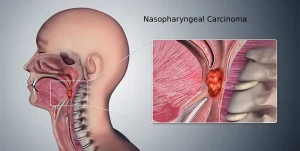
Nasopharyngeal carcinoma is a type of cancer that develops in the nasopharynx, the upper part of the throat located behind the nose and above the back of the mouth. This cancer is relatively rare worldwide but occurs more frequently in certain regions, particularly parts of Southeast Asia, North Africa, and the Arctic. Nasopharyngeal carcinoma is distinct from other head and neck cancers due to its unique risk factors, behavior, and response to treatment.
Symptoms
Symptoms of nasopharyngeal carcinoma may be subtle in the early stages and can resemble common ear, nose, or throat conditions:
-
Persistent nasal congestion or blockage
-
Nosebleeds, especially recurrent or unexplained
-
Hearing loss or ringing in one ear
-
Frequent ear infections or a feeling of fullness in the ear
-
Sore throat or difficulty swallowing
-
Headaches
-
Lump or swelling in the neck due to enlarged lymph nodes
-
Facial numbness or double vision in advanced cases
Symptoms that persist or worsen should be medically evaluated.
Causes
Nasopharyngeal carcinoma develops due to abnormal growth of cells lining the nasopharynx. Infection with the Epstein-Barr virus plays a significant role in the development of many cases. Genetic susceptibility and environmental exposures also contribute. The interaction between viral infection, genetic factors, and long-term exposure to certain substances is believed to trigger cancerous changes in nasopharyngeal cells.
Risk Factors
Several factors increase the risk of developing nasopharyngeal carcinoma:
-
Infection with the Epstein-Barr virus
-
Family history of nasopharyngeal carcinoma
-
Diet high in salt-cured or preserved foods
-
Tobacco use
-
Heavy alcohol consumption
-
Male sex
-
Certain ethnic backgrounds
Risk varies by geographic location and lifestyle habits.
Complications
Nasopharyngeal carcinoma can lead to serious complications if not treated promptly:
-
Spread of cancer to lymph nodes in the neck
-
Invasion of nearby structures such as the skull base or cranial nerves
-
Hearing loss or chronic ear problems
-
Difficulty speaking or swallowing
-
Distant metastasis to bones, lungs, or liver
-
Treatment-related side effects affecting speech, taste, or salivary function
Early diagnosis improves treatment outcomes and reduces complications.
Prevention
Nasopharyngeal carcinoma cannot always be prevented, but risk may be reduced through lifestyle and health measures:
-
Limiting consumption of salt-cured and preserved foods
-
Avoiding tobacco use
-
Reducing alcohol intake
-
Maintaining a balanced diet rich in fruits and vegetables
-
Seeking medical evaluation for persistent nasal, ear, or neck symptoms
-
Regular medical follow-up for individuals with strong family history
Awareness of risk factors and early symptom recognition play a key role in prevention and improved survival outcomes.
Advertisement
