
Overview
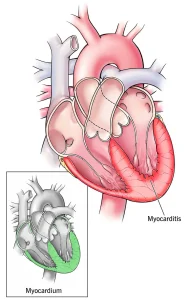
Myocarditis is an inflammatory condition affecting the heart muscle. The inflammation can weaken the heart and interfere with its ability to pump blood effectively. Myocarditis may be mild and resolve on its own, or it can be severe and lead to serious heart complications.
The condition can affect people of all ages and is often triggered by infections, immune responses, or exposure to certain substances. Early recognition and proper management are important to protect long-term heart function.
Symptoms
Symptoms of myocarditis vary widely depending on the severity of inflammation and the individual’s overall health.
Common symptoms include:
-
Chest pain or discomfort
-
Shortness of breath, especially during activity or while lying down
-
Fatigue
-
Rapid or irregular heartbeat
-
Lightheadedness or fainting
-
Swelling of the legs, ankles, or feet
-
Fever or flu-like symptoms in infectious cases
Some people may have mild symptoms or none at all, while others may develop sudden and severe symptoms.
Causes
Myocarditis occurs when the heart muscle becomes inflamed, most commonly due to an infection or abnormal immune response.
Common causes include:
-
Viral infections
-
Bacterial, fungal, or parasitic infections
-
Autoimmune diseases
-
Allergic reactions to medications
-
Exposure to toxins, alcohol, or illegal drugs
-
Certain medical treatments, including some chemotherapy drugs
In some cases, the exact cause cannot be identified.
Risk Factors
Several factors may increase the likelihood of developing myocarditis.
Risk factors include:
-
Recent viral or systemic infection
-
Weakened immune system
-
Autoimmune disorders
-
Exposure to toxic substances
-
Use of certain medications or drugs
-
Younger age, particularly in viral-related cases
Both healthy individuals and those with existing health conditions can develop myocarditis.
Complications
Severe or untreated myocarditis can lead to serious and potentially life-threatening complications.
Possible complications include:
-
Heart failure
-
Abnormal heart rhythms
-
Blood clots in the heart
-
Stroke or pulmonary embolism
-
Dilated cardiomyopathy
-
Sudden cardiac death in severe cases
Long-term follow-up may be needed to monitor heart function after recovery.
Prevention
Myocarditis cannot always be prevented, but certain measures can reduce the risk and support heart health.
Preventive steps include:
-
Practicing good hygiene to reduce infections
-
Avoiding close contact with people who have active infections
-
Staying up to date with recommended vaccinations
-
Limiting exposure to toxins, alcohol, and recreational drugs
-
Managing autoimmune and chronic inflammatory conditions
-
Seeking medical care for persistent chest pain, shortness of breath, or unexplained fatigue
Early diagnosis and appropriate treatment can help reduce complications and improve outcomes for individuals with myocarditis.
Advertisement
