
Overview
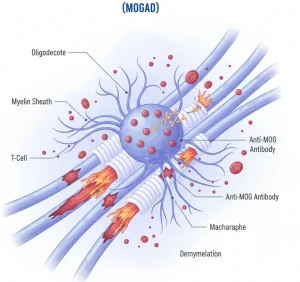
Myelin oligodendrocyte glycoprotein antibody-associated disease is an autoimmune inflammatory disorder of the central nervous system. It occurs when the immune system produces antibodies against myelin oligodendrocyte glycoprotein, a protein found on the surface of myelin, the protective covering of nerve fibers in the brain, spinal cord, and optic nerves.
MOGAD can affect both children and adults and may present as a single episode or as a relapsing condition. Although it shares features with other demyelinating disorders, it is considered a distinct disease with its own clinical course and treatment approach.
Symptoms
Symptoms of myelin oligodendrocyte glycoprotein antibody-associated disease vary depending on the areas of the central nervous system involved and may appear suddenly.
Common symptoms include:
-
Vision loss or blurred vision, often affecting one or both eyes
-
Eye pain, especially with movement
-
Weakness in the arms or legs
-
Numbness or tingling
-
Difficulty walking or problems with balance
-
Severe headaches
-
Seizures, more commonly in children
-
Bladder or bowel dysfunction
-
Fatigue
Symptoms may resolve partially or completely after treatment, though relapses can occur.
Causes
MOGAD is caused by an abnormal immune response in which antibodies target myelin oligodendrocyte glycoprotein. This immune attack leads to inflammation and damage to myelin, disrupting nerve signal transmission.
Key aspects of the cause include:
-
Autoimmune production of MOG antibodies
-
Inflammation of the optic nerves, brain, or spinal cord
-
Triggering events such as infections in some cases
The exact reason why the immune system produces these antibodies is not fully understood.
Risk Factors
Certain factors may increase the likelihood of developing myelin oligodendrocyte glycoprotein antibody-associated disease.
Key risk factors include:
-
History of autoimmune conditions
-
Recent viral infections
-
Childhood or young adulthood
-
Previous episodes of central nervous system inflammation
MOGAD affects males and females and can occur without known risk factors.
Complications
If not properly diagnosed and managed, MOGAD can lead to neurological complications, particularly in relapsing cases.
Possible complications include:
-
Recurrent vision loss
-
Persistent weakness or numbness
-
Chronic pain
-
Difficulty with mobility
-
Cognitive or behavioral changes
-
Reduced quality of life due to repeated relapses
Early treatment and long-term monitoring help reduce the risk of lasting neurological damage.
Prevention
There is no known way to prevent myelin oligodendrocyte glycoprotein antibody-associated disease because its cause is autoimmune and not fully understood. However, steps can be taken to reduce relapses and manage the condition effectively.
Preventive and management strategies include:
-
Early diagnosis and antibody testing
-
Prompt treatment of acute inflammatory episodes
-
Long-term immunotherapy when recommended
-
Regular neurological follow-up
-
Avoiding known relapse triggers when possible
-
Seeking early medical care for new neurological symptoms
With appropriate treatment and monitoring, many individuals with MOGAD experience good recovery and improved long-term outcomes.
Advertisement
