
Overview
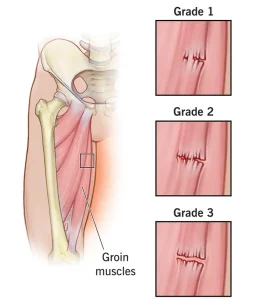
Muscle strains occur when muscle fibers are overstretched or torn due to excessive force or sudden movement. They are commonly referred to as pulled muscles and can affect any muscle in the body, especially those involved in physical activity such as the back, hamstrings, shoulders, and calves.
Muscle strains range from mild to severe. Mild strains may cause discomfort with minimal limitation, while severe strains can result in significant pain and loss of muscle function. With proper care, most muscle strains heal completely.
Symptoms
Symptoms of muscle strains vary depending on the severity of the injury.
Common symptoms include:
-
Sudden pain at the time of injury
-
Muscle tenderness or soreness
-
Swelling or bruising
-
Muscle weakness
-
Limited range of motion
-
Muscle spasms
-
Pain that worsens with movement or use
Severe strains may involve a popping sensation at the time of injury.
Causes
Muscle strains occur when a muscle is forced to stretch beyond its normal limits or contract too strongly.
Common causes include:
-
Sudden or awkward movements
-
Lifting heavy objects improperly
-
Overuse or repetitive motion
-
Inadequate warm-up before exercise
-
Poor flexibility or muscle imbalance
-
Fatigue during physical activity
These injuries often occur during sports or physical work.
Risk Factors
Certain factors increase the risk of developing muscle strains.
Key risk factors include:
-
Participating in high-intensity sports
-
Poor conditioning or flexibility
-
Muscle fatigue
-
Previous muscle injury
-
Improper technique during exercise or lifting
-
Inadequate warm-up or cool-down routines
Risk factors vary depending on activity level and muscle group involved.
Complications
Most muscle strains heal without complications, but improper treatment or continued stress on the muscle can delay recovery.
Possible complications include:
-
Chronic muscle pain
-
Reduced strength or flexibility
-
Re-injury of the same muscle
-
Scar tissue formation in severe strains
Early treatment and adequate rest help prevent long-term problems.
Prevention
Muscle strains can often be prevented by adopting safe exercise and work habits.
Preventive strategies include:
-
Warming up before physical activity
-
Stretching muscles regularly to maintain flexibility
-
Strengthening muscles to improve support and balance
-
Using proper technique when lifting or exercising
-
Gradually increasing activity intensity
-
Allowing adequate rest between workouts
Listening to the body and addressing muscle pain early can help reduce the risk of muscle strains.
Advertisement
