
Overview
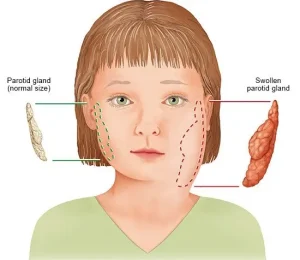
Mumps is a contagious viral infection that primarily affects the salivary glands, especially the parotid glands located near the ears. The infection leads to painful swelling of these glands and can cause fever and general discomfort. Mumps is caused by a virus and spreads easily through close contact.
The condition was once common in childhood but has become less frequent due to routine vaccination. While most people recover fully, mumps can sometimes lead to serious complications, particularly in adolescents and adults.
Symptoms
Symptoms of mumps usually appear two to three weeks after exposure to the virus. Some people may have mild symptoms or none at all.
Common symptoms include:
-
Swelling and pain in one or both cheeks or jaw
-
Fever
-
Headache
-
Muscle aches
-
Fatigue
-
Loss of appetite
-
Pain while chewing or swallowing
Swelling of the salivary glands is the most recognizable sign of mumps.
Causes
Mumps is caused by a virus that infects the salivary glands. It spreads easily from person to person through respiratory droplets.
The virus spreads through:
-
Coughing or sneezing
-
Talking closely with an infected person
-
Sharing utensils, cups, or food
-
Touching contaminated surfaces and then touching the face
An infected person can spread the virus before symptoms appear and for several days after gland swelling begins.
Risk Factors
Certain factors increase the risk of contracting mumps.
Key risk factors include:
-
Not being vaccinated
-
Close contact with an infected individual
-
Living or spending time in crowded settings
-
Travel to areas with low vaccination coverage
Unvaccinated children and young adults are at the highest risk.
Complications
Most cases of mumps resolve without complications, but some individuals may experience serious health problems.
Possible complications include:
-
Inflammation of the testicles in post-pubertal males
-
Inflammation of the ovaries or breasts
-
Pancreatitis
-
Hearing loss
-
Inflammation of the brain or surrounding tissues
-
Fertility problems in rare cases
Complications are more likely in adults than in young children.
Prevention
Mumps can be effectively prevented through vaccination.
Preventive measures include:
-
Receiving recommended childhood vaccinations
-
Ensuring booster doses are up to date
-
Practicing good hygiene such as handwashing
-
Avoiding close contact with infected individuals
-
Isolating infected persons during the contagious period
Vaccination remains the most effective way to prevent mumps and its complications.
Request an appointment
Advertisement
