
Overview
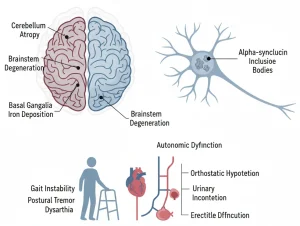
Multiple system atrophy is a rare, progressive neurological disorder that affects movement, balance, and the autonomic nervous system, which controls involuntary body functions such as blood pressure, breathing, and digestion. It is characterized by the gradual degeneration of nerve cells in specific areas of the brain.
The condition typically begins in adulthood and worsens over time. Multiple system atrophy can resemble other movement disorders in its early stages, making diagnosis challenging. Although there is no cure, treatment focuses on managing symptoms and improving quality of life.
Symptoms
Symptoms of multiple system atrophy vary depending on which parts of the nervous system are affected. They often progress gradually and may differ from person to person.
Common symptoms include:
-
Slowed movement or muscle stiffness
-
Poor balance and frequent falls
-
Tremors
-
Slurred or slow speech
-
Difficulty swallowing
-
Dizziness or fainting when standing due to low blood pressure
-
Bladder or bowel control problems
-
Erectile dysfunction
-
Breathing difficulties, especially during sleep
-
Reduced sweating or abnormal temperature regulation
Symptoms often worsen over time and may significantly affect daily functioning.
Causes
The exact cause of multiple system atrophy is unknown. It is believed to result from abnormal accumulation of a protein in brain cells, leading to progressive nerve damage.
Possible contributing factors include:
-
Degeneration of specific brain regions involved in movement and autonomic control
-
Abnormal protein buildup within nerve cells
-
Genetic and environmental influences, though no clear inheritance pattern has been identified
In most cases, the condition occurs sporadically without a known trigger.
Risk Factors
There are few clearly defined risk factors for multiple system atrophy, but certain factors are associated with its development.
Key risk factors include:
-
Onset typically between 50 and 60 years of age
-
Male sex, slightly higher risk than females
-
History of movement or autonomic symptoms
The condition is not considered inherited and does not usually run in families.
Complications
As multiple system atrophy progresses, it can lead to serious complications that affect independence and overall health.
Possible complications include:
-
Severe mobility limitations
-
Recurrent falls and injuries
-
Aspiration pneumonia due to swallowing difficulties
-
Sleep-related breathing problems
-
Chronic urinary infections
-
Reduced ability to perform daily activities
-
Shortened life expectancy in advanced stages
Early symptom management can help reduce complication severity.
Prevention
There is currently no known way to prevent multiple system atrophy because its underlying cause is not well understood. However, proactive care can help manage symptoms and slow functional decline.
Supportive strategies include:
-
Early neurological evaluation for unexplained movement or autonomic symptoms
-
Following prescribed medications and therapies
-
Physical, speech, and occupational therapy to maintain function
-
Managing blood pressure and hydration carefully
-
Regular follow-up with healthcare providers
Timely diagnosis and comprehensive supportive care play an important role in improving comfort and quality of life for individuals with multiple system atrophy.
Advertisement
