
Overview
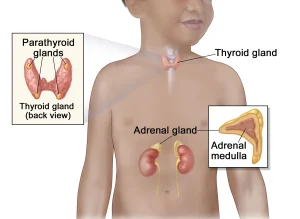
Multiple Endocrine Neoplasia, Type 2 is a rare inherited disorder that leads to the development of tumors in certain hormone-producing glands. MEN 2 primarily affects the thyroid gland, adrenal glands, and parathyroid glands. A key feature of this condition is medullary thyroid cancer, which often develops at a young age.
MEN 2 is a genetic condition and is usually identified through family screening or genetic testing. Early diagnosis is critical because preventive treatment can significantly reduce the risk of life-threatening complications.
Symptoms
Symptoms of Multiple Endocrine Neoplasia, Type 2 depend on which endocrine glands are affected and the hormones involved. Some individuals may be asymptomatic in early stages.
Common symptoms include:
-
A lump or swelling in the neck
-
Hoarseness or difficulty swallowing
-
Episodes of high blood pressure, headaches, sweating, and rapid heartbeat
-
Abdominal pain or constipation
-
Bone pain or kidney stones due to calcium imbalance
-
Diarrhea or flushing
-
Unexplained weight changes
-
Anxiety or tremors
Symptoms often result from hormone overproduction by tumors.
Causes
Multiple Endocrine Neoplasia, Type 2 is caused by mutations in the RET gene, which plays a role in cell growth and development. When this gene is altered, it can cause abnormal growth of endocrine cells.
Important aspects of the cause include:
-
Inherited in an autosomal dominant pattern
-
A single copy of the mutated gene can cause the disorder
-
Some cases arise from new genetic mutations without a known family history
Because MEN 2 is genetic, it is not caused by lifestyle or environmental factors.
Risk Factors
The primary risk factor for Multiple Endocrine Neoplasia, Type 2 is having a mutated RET gene.
Key risk factors include:
-
Family history of MEN 2
-
Having a parent with the condition
-
Known RET gene mutation
-
First-degree relatives of affected individuals
Both males and females are affected equally.
Complications
If not identified and treated early, MEN 2 can lead to serious and potentially life-threatening complications.
Possible complications include:
-
Medullary thyroid cancer spread to other parts of the body
-
Hypertensive crises caused by adrenal tumors
-
Heart rhythm disturbances
-
Severe calcium imbalances
-
Organ damage related to excess hormone production
-
Reduced life expectancy without early intervention
Early treatment significantly lowers the risk of severe outcomes.
Prevention
Multiple Endocrine Neoplasia, Type 2 cannot be prevented because it is a genetic condition. However, complications can often be prevented with early diagnosis and proactive care.
Preventive and management strategies include:
-
Genetic counseling and testing for at-risk individuals
-
Preventive thyroid surgery when recommended
-
Regular hormone level monitoring
-
Periodic imaging to detect tumors early
-
Lifelong follow-up with specialized healthcare providers
Early identification and consistent monitoring are essential to improving long-term outcomes in individuals with MEN 2.
Advertisement
