
Overview
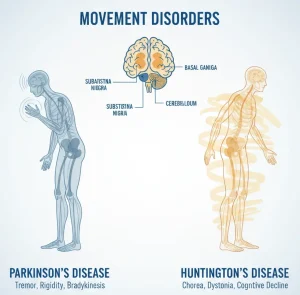
Movement disorders are a group of neurological conditions that affect the speed, fluency, quality, or ease of voluntary and involuntary movements. These disorders may cause excessive movements, reduced movements, or abnormal movements that interfere with daily activities and quality of life.
Movement disorders can affect people of all ages and may develop gradually or appear suddenly, depending on the underlying cause. Early evaluation and proper management can help control symptoms and improve function.
Symptoms
Symptoms vary widely based on the specific type of movement disorder and the areas of the nervous system involved.
Common symptoms include:
-
Tremors or shaking
-
Muscle stiffness or rigidity
-
Slowed movements
-
Involuntary jerking or twitching
-
Repetitive or twisting movements
-
Difficulty with balance or coordination
-
Abnormal posture or gait
-
Problems with fine motor skills such as writing or buttoning clothes
Symptoms may worsen with stress, fatigue, or certain medications.
Causes
Movement disorders occur due to abnormalities in the brain areas that control movement, particularly those involving nerve signaling and muscle control.
Possible causes include:
-
Neurodegenerative conditions
-
Genetic mutations
-
Brain injury or stroke
-
Infections affecting the nervous system
-
Side effects of certain medications
-
Metabolic or hormonal disorders
-
Exposure to toxins
In some cases, the exact cause cannot be identified.
Risk Factors
Several factors may increase the risk of developing a movement disorder.
Key risk factors include:
-
Family history of neurological conditions
-
Increasing age
-
Previous brain injury or stroke
-
Long-term use of certain medications
-
Exposure to environmental toxins
-
Presence of other neurological or metabolic disorders
Risk factors vary depending on the specific movement disorder.
Complications
Movement disorders can lead to physical, emotional, and social complications if not properly managed.
Possible complications include:
-
Difficulty performing daily activities
-
Increased risk of falls and injuries
-
Muscle pain or fatigue
-
Speech or swallowing difficulties
-
Emotional distress, anxiety, or depression
-
Reduced independence and quality of life
Timely diagnosis and treatment can help reduce these complications.
Prevention
Not all movement disorders can be prevented, especially those caused by genetic or degenerative conditions. However, certain measures may lower risk or limit symptom severity.
Preventive strategies include:
-
Protecting the head from injury
-
Using medications only as prescribed
-
Managing chronic medical conditions effectively
-
Avoiding exposure to known toxins
-
Seeking early medical care for new or worsening movement symptoms
Ongoing medical follow-up and lifestyle adjustments play an important role in managing movement disorders and maintaining overall well-being.
Advertisement
