
Overview
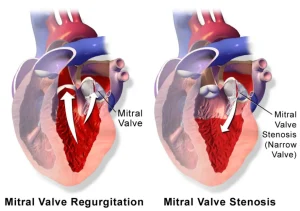
Mitral valve regurgitation is a heart valve condition in which the mitral valve does not close properly, allowing blood to flow backward from the left ventricle into the left atrium during heart contraction. This backward flow forces the heart to work harder to pump enough blood to the rest of the body.
The condition can be acute or chronic and may range from mild to severe. Some people live for years without symptoms, while others develop progressive heart-related complications if the condition worsens.
Symptoms
Symptoms of mitral valve regurgitation depend on the severity and how quickly the condition develops. Mild cases may cause no noticeable symptoms.
Common symptoms include:
-
Shortness of breath, especially during physical activity or when lying flat
-
Fatigue or reduced ability to exercise
-
Heart palpitations
-
Swelling of the feet, ankles, or legs
-
Chest discomfort
-
Dizziness or lightheadedness
-
Persistent cough, sometimes worse at night
Symptoms often become more pronounced as the heart becomes strained.
Causes
Mitral valve regurgitation occurs when the mitral valve or its supporting structures are damaged or weakened.
Common causes include:
-
Degenerative changes of the valve with aging
-
Mitral valve prolapse
-
Damage from a heart attack
-
Rheumatic fever
-
Infections affecting the heart valves
-
Congenital heart defects
-
Enlargement of the left ventricle due to other heart conditions
The underlying cause influences the progression and management of the condition.
Risk Factors
Several factors increase the risk of developing mitral valve regurgitation.
Key risk factors include:
-
Advancing age
-
History of rheumatic fever
-
Previous heart attack
-
High blood pressure
-
Congenital heart valve abnormalities
-
Family history of valve disease
-
Certain connective tissue disorders
Both men and women can be affected.
Complications
If left untreated, mitral valve regurgitation can lead to serious complications due to prolonged strain on the heart.
Possible complications include:
-
Heart failure
-
Atrial fibrillation or other irregular heart rhythms
-
Pulmonary hypertension
-
Enlargement of the left atrium or ventricle
-
Increased risk of blood clots and stroke
-
Reduced quality of life
Early diagnosis and appropriate treatment help reduce the risk of complications.
Prevention
Not all cases of mitral valve regurgitation can be prevented, but certain measures can help lower risk or slow progression.
Preventive strategies include:
-
Managing high blood pressure and heart disease
-
Treating streptococcal infections promptly
-
Maintaining a heart-healthy lifestyle
-
Avoiding smoking
-
Attending regular medical checkups
-
Following prescribed treatments for existing heart conditions
Ongoing monitoring and timely medical care play a key role in maintaining heart valve function and overall cardiovascular health.
Request an appointment
Advertisement
