
Overview
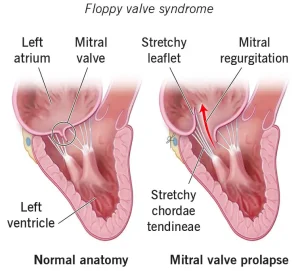
Mitral valve prolapse is a heart valve condition in which the mitral valve’s leaflets bulge backward into the left atrium during heart contraction instead of closing tightly. This can sometimes allow blood to leak backward, a condition known as mitral valve regurgitation.
Mitral valve prolapse is often harmless and may not cause symptoms. Many people are unaware they have the condition and discover it during routine medical examinations. In some cases, however, it can lead to symptoms or complications that require monitoring or treatment.
Symptoms
Many individuals with mitral valve prolapse have no symptoms. When symptoms do occur, they can vary in type and severity.
Common symptoms include:
-
Heart palpitations or awareness of heartbeat
-
Chest pain not related to physical exertion
-
Fatigue
-
Shortness of breath, especially during activity
-
Dizziness or lightheadedness
-
Anxiety or panic-like symptoms
Symptoms do not always correlate with the severity of valve prolapse or leakage.
Causes
Mitral valve prolapse occurs due to structural abnormalities of the mitral valve or its supporting tissues.
Common causes include:
-
Thickened or enlarged mitral valve leaflets
-
Weakening or elongation of the valve-supporting cords
-
Congenital abnormalities present at birth
-
Connective tissue disorders
-
Degenerative changes of the valve over time
In many cases, the exact cause is not clearly identified.
Risk Factors
Several factors increase the likelihood of developing mitral valve prolapse.
Key risk factors include:
-
Family history of mitral valve prolapse
-
Certain inherited connective tissue disorders
-
Female sex
-
Advancing age
-
Structural heart abnormalities
The condition can affect people of all ages, including children and young adults.
Complications
Although mitral valve prolapse is often benign, complications can occur in some individuals.
Possible complications include:
-
Mitral valve regurgitation
-
Irregular heart rhythms
-
Increased risk of infection of the heart valve
-
Heart failure in severe cases
-
Rarely, stroke due to blood clots
Regular medical follow-up helps identify and manage complications early.
Prevention
There is no guaranteed way to prevent mitral valve prolapse, especially when it is related to genetic or structural factors. However, steps can be taken to reduce the risk of complications.
Preventive strategies include:
-
Attending regular medical checkups
-
Monitoring heart symptoms and reporting changes promptly
-
Maintaining a heart-healthy lifestyle
-
Managing blood pressure and other cardiovascular risk factors
-
Following medical advice regarding activity and treatment
With proper monitoring and care, most people with mitral valve prolapse can lead normal, active lives.
Request an appointment
Advertisement
