
Overview
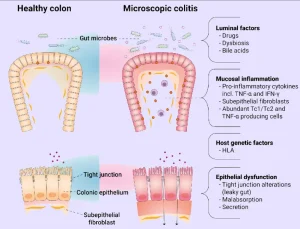
Microscopic colitis is a chronic inflammatory condition of the colon that causes persistent, watery diarrhea. Unlike other forms of colitis, the colon usually appears normal during colonoscopy, and the inflammation is only visible under a microscope, which is how the condition gets its name.
Microscopic colitis mainly affects older adults and includes two main types: collagenous colitis and lymphocytic colitis. Although it can significantly affect quality of life, it does not increase the risk of colon cancer and is generally manageable with appropriate treatment.
Symptoms
Symptoms of microscopic colitis may develop gradually or appear suddenly and can vary in severity.
Common symptoms include:
-
Chronic, watery diarrhea without blood
-
Frequent bowel movements
-
Abdominal pain or cramping
-
Urgency to have a bowel movement
-
Fecal incontinence
-
Bloating
-
Nausea
-
Fatigue and weakness
-
Unintended weight loss in some cases
Symptoms may come and go, with periods of remission and flare-ups.
Causes
The exact cause of microscopic colitis is not fully understood, but it is believed to result from an abnormal immune response in the colon.
Factors that may contribute include:
-
Autoimmune reactions
-
Long-term use of certain medications
-
Bacterial or viral infections affecting the gut
-
Genetic susceptibility
-
Imbalance in gut bacteria
Often, no single cause can be clearly identified.
Risk Factors
Several factors increase the likelihood of developing microscopic colitis.
Key risk factors include:
-
Age over 50 years
-
Female sex
-
Autoimmune diseases
-
Smoking
-
Use of specific medications over long periods
-
Family history of inflammatory bowel conditions
The condition can occur in younger individuals but is less common.
Complications
Microscopic colitis is not life-threatening, but ongoing symptoms can lead to complications if not managed effectively.
Possible complications include:
-
Dehydration due to chronic diarrhea
-
Electrolyte imbalances
-
Malnutrition or nutrient deficiencies
-
Fatigue affecting daily activities
-
Reduced quality of life
With proper treatment, most people can achieve good symptom control.
Prevention
There is no guaranteed way to prevent microscopic colitis, but certain measures may help reduce the risk of flare-ups.
Preventive strategies include:
-
Avoiding smoking
-
Reviewing medications with a healthcare provider
-
Managing autoimmune conditions effectively
-
Staying well hydrated
-
Following a balanced diet that minimizes symptom triggers
Early medical evaluation for persistent diarrhea helps ensure timely diagnosis and appropriate management.
Advertisement
