
Overview
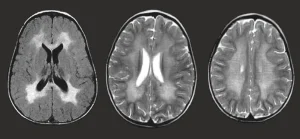
Metachromatic leukodystrophy is a rare inherited metabolic disorder that affects the nervous system. It is caused by a deficiency of an enzyme needed to break down certain fatty substances in the body. As these substances accumulate, they damage the myelin sheath, the protective covering around nerve fibers in the brain, spinal cord, and peripheral nerves.
The disease is progressive and can appear in infancy, childhood, adolescence, or adulthood. The severity and rate of progression vary depending on the age at which symptoms begin, with earlier onset generally associated with more rapid progression.
Symptoms
Symptoms of metachromatic leukodystrophy worsen over time and differ based on the form of the disease.
Common symptoms include:
-
Loss of previously acquired motor skills
-
Muscle weakness or decreased muscle tone
-
Difficulty walking or loss of balance
-
Speech and swallowing difficulties
-
Behavioral changes or personality changes
-
Decline in memory and cognitive abilities
-
Seizures
-
Vision or hearing problems
In infants and young children, developmental regression is often one of the earliest signs.
Causes
Metachromatic leukodystrophy is caused by genetic mutations that lead to a deficiency of a specific enzyme responsible for breaking down sulfatides, a type of fatty substance.
Key points include:
-
Inherited in an autosomal recessive pattern
-
Both parents must carry the faulty gene for a child to be affected
-
Accumulation of sulfatides leads to progressive nerve damage
The buildup of these substances interferes with normal nerve signal transmission.
Risk Factors
Because metachromatic leukodystrophy is a genetic condition, risk factors are primarily related to inheritance.
Main risk factors include:
-
Having parents who are carriers of the defective gene
-
Family history of metachromatic leukodystrophy
-
Consanguineous parentage, which may increase the likelihood of inherited disorders
The condition affects males and females equally.
Complications
As the disease progresses, metachromatic leukodystrophy can lead to severe and life-limiting complications.
Possible complications include:
-
Severe physical disability
-
Loss of speech and communication abilities
-
Difficulty swallowing, increasing the risk of aspiration
-
Chronic infections due to reduced mobility
-
Progressive cognitive decline
-
Dependence on long-term supportive care
Advanced stages often require comprehensive medical and supportive management.
Prevention
There is no known way to prevent metachromatic leukodystrophy once a person is affected. However, steps can be taken to reduce the risk in families with a known history of the condition.
Preventive measures include:
-
Genetic counseling for individuals with a family history
-
Carrier screening for prospective parents
-
Prenatal or preimplantation genetic testing in high-risk families
-
Early diagnosis to allow timely supportive and disease-modifying interventions where available
Early identification and genetic guidance play a key role in family planning and disease management.
Advertisement
