
Overview
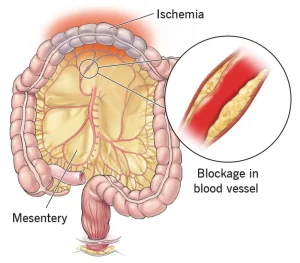
Mesenteric ischemia is a serious medical condition that occurs when there is reduced or blocked blood flow to the intestines. This lack of adequate blood supply can damage intestinal tissue and may become life-threatening if not treated promptly. Mesenteric ischemia can develop suddenly as an acute emergency or progress slowly as a chronic condition, depending on the underlying cause.
Symptoms
Symptoms vary based on whether the condition is acute or chronic and on how much blood flow is reduced.
Common symptoms may include
-
Sudden, severe abdominal pain, often disproportionate to physical findings
-
Abdominal pain after eating, especially in chronic cases
-
Nausea and vomiting
-
Diarrhea or loose stools
-
Blood in the stool
-
Bloating or abdominal swelling
-
Unintended weight loss due to fear of eating
-
Fever in advanced or severe cases
Causes
Mesenteric ischemia occurs when blood flow through the mesenteric arteries or veins is impaired.
Common causes include
-
Blood clots blocking intestinal arteries
-
Atherosclerosis causing narrowing of blood vessels
-
Low blood pressure reducing intestinal blood flow
-
Heart conditions that increase the risk of clot formation
-
Twisting of the intestine or blood vessels
-
Blood clots in mesenteric veins
Risk Factors
Several conditions and lifestyle factors can increase the risk of developing mesenteric ischemia.
Key risk factors include
-
Older age
-
Smoking
-
High cholesterol levels
-
High blood pressure
-
Diabetes mellitus
-
Heart disease or irregular heart rhythms
-
Blood clotting disorders
-
Previous vascular disease
Complications
If not treated quickly, mesenteric ischemia can cause severe and permanent damage to the intestines.
Possible complications include
-
Intestinal tissue death
-
Bowel perforation
-
Severe infection or sepsis
-
Short bowel syndrome after surgical removal of damaged intestine
-
Organ failure
-
Death in severe or untreated cases
Prevention
Not all cases of mesenteric ischemia can be prevented, but managing underlying health conditions can significantly reduce risk.
Preventive measures may include
-
Maintaining healthy blood pressure and cholesterol levels
-
Managing diabetes effectively
-
Avoiding smoking
-
Eating a balanced, heart-healthy diet
-
Staying physically active
-
Following medical advice for heart and vascular conditions
Early diagnosis and prompt treatment are critical to improving outcomes and reducing the risk of life-threatening complications associated with mesenteric ischemia.
Advertisement
