
Overview
Menstrual cramps, also known as dysmenorrhea, are painful sensations felt in the lower abdomen before or during a menstrual period. The pain occurs due to uterine muscle contractions as the uterus sheds its lining. Menstrual cramps are common and can range from mild discomfort to severe pain that interferes with daily activities. They may occur on their own or be linked to underlying reproductive health conditions.
Symptoms
Symptoms of menstrual cramps usually begin shortly before or at the start of menstruation and may last for a few days.
Common symptoms may include
-
Throbbing or cramping pain in the lower abdomen
-
Pain that radiates to the lower back or thighs
-
Dull, constant aching sensation
-
Nausea or vomiting
-
Diarrhea or loose stools
-
Headache
-
Fatigue or weakness
-
Dizziness in severe cases
Causes
Menstrual cramps are primarily caused by hormone-like substances called prostaglandins, which trigger uterine contractions.
Common causes include
-
Increased prostaglandin levels leading to stronger uterine contractions
-
Reduced blood flow to the uterine muscles during contractions
-
Primary dysmenorrhea with no underlying medical condition
-
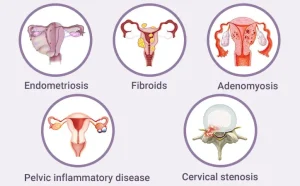
Secondary dysmenorrhea caused by conditions such as endometriosis, fibroids, or pelvic inflammatory disease
Risk Factors
Certain factors can increase the likelihood or severity of menstrual cramps.
Key risk factors include
-
Age under 30 years
-
Early onset of menstruation
-
Heavy or prolonged menstrual bleeding
-
Smoking
-
High stress levels
-
Family history of painful periods
-
Underlying gynecological conditions
Complications
While menstrual cramps are usually not dangerous, severe or untreated cases can affect daily life and emotional well-being.
Possible complications include
-
Missed work or school days
-
Reduced quality of life
-
Sleep disturbances
-
Anxiety or mood changes related to chronic pain
-
Delayed diagnosis of underlying reproductive conditions
Prevention
Menstrual cramps cannot always be prevented, but their frequency and severity can often be reduced.
Preventive measures may include
-
Regular physical activity
-
Maintaining a healthy and balanced diet
-
Reducing stress through relaxation techniques
-
Avoiding smoking
-
Applying heat to the lower abdomen
-
Seeking medical evaluation for severe or worsening pain
Early medical consultation can help identify underlying causes and ensure appropriate management of menstrual cramps.
Advertisement
