
Overview
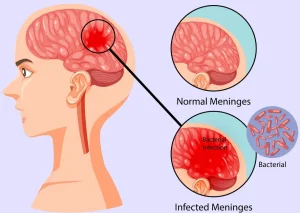
Meningitis is a serious medical condition characterized by inflammation of the meninges, the protective membranes surrounding the brain and spinal cord. It can develop suddenly and may become life-threatening if not treated promptly. Meningitis can be caused by infections from bacteria, viruses, fungi, or parasites, as well as by non-infectious factors such as certain medications or autoimmune diseases. The severity of meningitis varies depending on the cause, with bacterial meningitis being the most dangerous form.
Symptoms
Symptoms of meningitis often appear rapidly and can affect both adults and children. Early recognition is critical for effective treatment.
Common symptoms may include
-
High fever
-
Severe headache
-
Stiff neck
-
Sensitivity to light
-
Nausea and vomiting
-
Confusion or difficulty concentrating
-
Cold hands and feet with pale or mottled skin
-
Drowsiness or difficulty waking
In infants and young children, symptoms may also include irritability, poor feeding, bulging of the soft spot on the head, and high-pitched crying.
Causes
Meningitis occurs when infectious organisms or other triggers cause inflammation of the meninges.
Major causes include
-
Bacterial infections that spread through respiratory droplets
-
Viral infections, often associated with common viruses
-
Fungal infections, usually in people with weakened immune systems
-
Parasitic infections in rare cases
-
Non-infectious causes such as autoimmune conditions, cancers, or reactions to medications
Risk Factors
Certain factors can increase the risk of developing meningitis.
Key risk factors include
-
Young age, particularly infants and children
-
Living in crowded settings such as dormitories
-
Weakened immune system
-
Skipping recommended vaccinations
-
Recent infections of the ear, sinus, or upper respiratory tract
-
Travel to areas where certain infections are more common
Complications
Without timely treatment, meningitis can lead to severe and lasting complications.
Possible complications include
-
Hearing loss
-
Vision problems
-
Learning and memory difficulties
-
Seizures
-
Brain damage
-
Kidney failure or shock in severe cases
-
Death, particularly with untreated bacterial meningitis
Prevention
Many cases of meningitis can be prevented through appropriate health measures.
Preventive strategies include
-
Staying up to date with recommended vaccinations
-
Practicing good hand hygiene
-
Avoiding close contact with people who are sick
-
Covering the mouth and nose when coughing or sneezing
-
Strengthening the immune system through healthy lifestyle habits
Early medical attention for symptoms of meningitis can significantly improve outcomes and reduce the risk of serious complications.
Advertisement
