
Overview
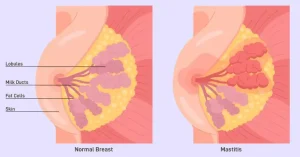
Mastitis is an inflammatory condition of the breast tissue that commonly affects people who are breastfeeding, though it can also occur in those who are not lactating. It often develops when milk is not fully drained from the breast or when bacteria enter through cracked or sore nipples. Mastitis can cause pain, swelling, warmth and redness in the breast and may be accompanied by flu-like symptoms.
When identified early, mastitis is usually easy to treat and resolves without complications. Delayed treatment, however, can lead to abscess formation and worsening symptoms.
Symptoms
Symptoms of mastitis usually appear suddenly and can affect one or both breasts.
Common symptoms include:
-
Breast pain or tenderness
-
Swelling and warmth in the affected area
-
Redness, often in a wedge-shaped pattern
-
Hard or thickened area in the breast
-
Burning sensation during breastfeeding
-
Fever and chills
-
Fatigue or body aches
In severe cases, symptoms may worsen rapidly if treatment is delayed.
Causes
Mastitis occurs when milk builds up in the breast or when bacteria infect the breast tissue.
Common causes include:
-
Blocked milk ducts
-
Incomplete emptying of the breast during feeding
-
Infrequent breastfeeding or missed feedings
-
Poor latch during breastfeeding
-
Cracked or damaged nipples allowing bacteria to enter
-
Pressure on the breast from tight clothing or sleeping positions
Bacterial infection often develops when milk stasis creates an environment for bacteria to grow.
Risk factors
Several factors increase the likelihood of developing mastitis, especially during breastfeeding.
Risk factors include:
-
Breastfeeding during the first few weeks after childbirth
-
Previous episodes of mastitis
-
Nipple injury or soreness
-
Poor breastfeeding technique
-
Stress and fatigue
-
Wearing tight bras or clothing
-
Skipping or delaying feedings
Non-breastfeeding individuals may develop mastitis due to smoking, nipple piercings or underlying breast conditions.
Complications
If mastitis is not treated promptly, complications may occur.
Possible complications include:
-
Breast abscess formation
-
Recurrent mastitis
-
Early discontinuation of breastfeeding
-
Spread of infection to surrounding tissues
-
Severe pain and prolonged inflammation
Prompt treatment reduces the risk of complications and supports continued breastfeeding.
Prevention
Mastitis can often be prevented with proper breast care and breastfeeding practices.
Preventive measures include:
-
Ensuring proper latch and positioning during breastfeeding
-
Fully emptying the breast during each feeding
-
Alternating breastfeeding positions
-
Feeding frequently and avoiding missed feedings
-
Keeping nipples clean and dry
-
Treating nipple cracks or soreness early
-
Wearing well-fitting, non-restrictive bras
Early attention to breast discomfort and consistent breastfeeding habits play a key role in preventing mastitis and maintaining breast health.
Advertisement
