
Overview
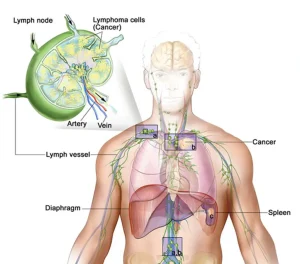
Lymphoma is a type of cancer that begins in the lymphatic system, which is part of the body’s immune system. It develops when lymphocytes, a type of white blood cell, grow and multiply uncontrollably. The lymphatic system includes lymph nodes, spleen, thymus, and bone marrow. There are two main types of lymphoma: Hodgkin lymphoma and non-Hodgkin lymphoma. Early detection and advances in treatment have significantly improved survival rates.
Symptoms
Symptoms of lymphoma can vary depending on the type and stage of the disease. Common signs include:
-
Painless swelling of lymph nodes in the neck, armpits, or groin
-
Persistent fatigue
-
Fever without infection
-
Night sweats
-
Unexplained weight loss
-
Itchy skin
-
Shortness of breath or chest pain if lymph nodes in the chest are enlarged
-
Abdominal swelling or discomfort
Some people may not experience noticeable symptoms in early stages.
Causes
The exact cause of lymphoma is not fully understood. It occurs when genetic changes in lymphocytes cause them to multiply abnormally and avoid normal cell death. These abnormal cells can accumulate in lymph nodes and other tissues.
Certain infections and immune system abnormalities may play a role in triggering these changes.
Risk Factors
Factors that may increase the risk of lymphoma include:
-
Weakened immune system due to HIV/AIDS or immunosuppressive medications
-
Autoimmune diseases
-
Certain viral infections such as Epstein-Barr virus
-
Family history of lymphoma
-
Older age for most non-Hodgkin lymphomas
-
Young adulthood for some types of Hodgkin lymphoma
Environmental exposures may also contribute in some cases.
Complications
If untreated or advanced, lymphoma can lead to:
-
Spread of cancer to bone marrow or other organs
-
Severe infections due to immune suppression
-
Organ dysfunction
-
Treatment-related side effects such as infertility or secondary cancers
Regular follow-up care is important to monitor for recurrence or long-term effects.
Prevention
There is no guaranteed way to prevent lymphoma. However, reducing certain risk factors may help:
-
Managing autoimmune diseases appropriately
-
Preventing and treating infections promptly
-
Avoiding unnecessary exposure to immune-suppressing substances
Early evaluation of persistent swollen lymph nodes or unexplained symptoms can lead to timely diagnosis and better treatment outcomes.
Advertisement
