
Overview
Legionnaires’ disease is a severe form of pneumonia caused by Legionella bacteria. These bacteria are commonly found in freshwater environments but can become a health risk when they grow and spread in man-made water systems such as cooling towers, hot tubs, plumbing systems, and decorative fountains.
People usually get Legionnaires’ disease by breathing in small droplets of water that contain the bacteria. The disease does not spread from person to person. Legionnaires’ disease can be serious and sometimes life-threatening, especially in older adults and people with weakened immune systems, but prompt treatment with antibiotics is often effective.
Symptoms
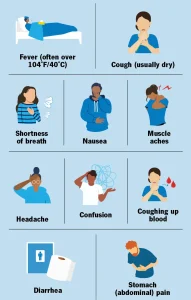
Symptoms of Legionnaires’ disease usually begin 2 to 10 days after exposure to the bacteria and may include:
-
High fever
-
Chills
-
Cough, which may produce mucus or blood
-
Shortness of breath
-
Muscle aches
-
Headache
-
Fatigue or weakness
-
Loss of appetite
-
Diarrhea
-
Nausea or vomiting
-
Confusion or changes in mental awareness, especially in older adults
Early symptoms may resemble the flu before progressing to pneumonia.
Causes
Legionnaires’ disease is caused by infection with Legionella bacteria. The bacteria grow best in warm water and can multiply in:
-
Hot water tanks and heaters
-
Air-conditioning cooling towers
-
Hot tubs and whirlpools
-
Plumbing systems in large buildings
-
Decorative fountains and water features
Infection occurs when contaminated water droplets are inhaled into the lungs. Drinking contaminated water does not usually cause the disease unless the water enters the lungs.
Risk factors
Certain factors increase the risk of developing Legionnaires’ disease:
-
Age 50 years or older
-
Current or former smoking
-
Chronic lung disease, such as COPD or emphysema
-
Weakened immune system due to illness or medications
-
Cancer or diabetes
-
Recent travel with a stay in hotels, hospitals, or cruise ships
-
Exposure to large building water systems
Healthy young people can become infected, but severe illness is more likely in high-risk groups.
Complications
Legionnaires’ disease can lead to serious complications, particularly if treatment is delayed. Possible complications include:
-
Respiratory failure
-
Septic shock
-
Acute kidney failure
-
Worsening of existing medical conditions
-
Death in severe cases
Early diagnosis and treatment significantly reduce the risk of complications.
Prevention
Preventing Legionnaires’ disease focuses on controlling bacterial growth in water systems. Measures that reduce risk include:
-
Proper maintenance and regular cleaning of building water systems
-
Keeping hot water hot enough and cold water cold enough to limit bacterial growth
-
Regular disinfection of hot tubs, cooling towers, and fountains
-
Following public health guidelines for water system management in hospitals, hotels, and large facilities
-
Using caution with high-risk water exposures if you have a weakened immune system
Public health monitoring and good water system management are key to reducing outbreaks of Legionnaires’ disease.
Advertisement
