
Overview
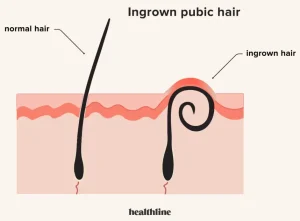
An ingrown hair occurs when a hair curls back or grows sideways into the skin instead of rising up from it. This commonly happens after shaving, waxing, or other hair removal methods and is most often seen in areas such as the face, neck, armpits, legs, and groin. Ingrown hairs are usually harmless but can cause discomfort, inflammation, and cosmetic concerns.
Symptoms
-
Small, raised bumps on the skin
-
Redness and swelling around the affected area
-
Itching or tenderness
-
Pain or discomfort at the site
-
Pus-filled bumps if infection develops
-
Darkening of the skin around the ingrown hair
Causes
Ingrown hairs develop when hair is unable to grow outward normally. Common causes include:
-
Shaving too closely or against the direction of hair growth
-
Waxing or tweezing that breaks the hair below the skin surface
-
Curly or coarse hair that naturally curls back into the skin
-
Tight clothing that causes friction and irritation
-
Buildup of dead skin cells blocking hair follicles
Risk factors
-
Curly or coarse hair type
-
Frequent shaving or waxing
-
Using dull razors
-
Tight-fitting clothing
-
History of ingrown hairs
Complications
-
Skin infection (folliculitis)
-
Scarring or keloid formation
-
Hyperpigmentation or dark spots
-
Chronic inflammation with repeated ingrown hairs
Prevention
-
Exfoliating the skin regularly to remove dead skin cells
-
Shaving in the direction of hair growth
-
Using a clean, sharp razor
-
Avoiding very close shaving
-
Moisturizing the skin after hair removal
-
Wearing loose-fitting clothing
-
Considering alternative hair removal methods such as laser hair removal
Most ingrown hairs resolve on their own. Medical treatment may be needed if there is infection, significant pain, or scarring.
Request an appointment
Advertisement
