
Overview
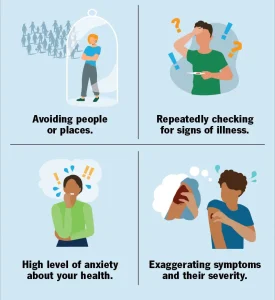
Illness Anxiety Disorder (IAD), previously known as hypochondriasis, is a mental health condition characterized by excessive worry about having or developing a serious medical illness. People with IAD often misinterpret normal bodily sensations or minor symptoms as signs of a severe disease, leading to significant anxiety and distress. The condition can interfere with daily life, work, and relationships, even when medical evaluations show no serious health problem.
Symptoms
-
Persistent preoccupation with having a serious illness
-
Frequent checking of the body for signs of illness
-
Repeatedly seeking medical tests or reassurance from doctors
-
Avoiding medical appointments due to fear of diagnosis
-
Anxiety or distress that is disproportionate to actual health status
-
Difficulty concentrating on daily tasks due to health worries
-
Physical symptoms such as headaches, stomach aches, or fatigue, often worsened by anxiety
Causes
The exact cause of Illness Anxiety Disorder is unknown, but several factors may contribute:
-
Genetics: Family history of anxiety disorders or IAD
-
Personality traits, such as high sensitivity to bodily sensations or tendency toward worry
-
Past experiences with serious illness, either personally or in close family members
-
Stressful life events or trauma
-
Cognitive distortions, leading to misinterpretation of normal body sensations as serious illness
Risk factors
-
Age: Often begins in early adulthood
-
Gender: Slightly more common in women
-
Personal or family history of anxiety, depression, or other mental health conditions
-
High health-related anxiety or frequent exposure to health information
Complications
-
Impaired social, occupational, or academic functioning
-
Excessive use of healthcare services, including unnecessary medical tests or procedures
-
Strained relationships due to constant worry or reassurance-seeking behavior
-
Coexisting anxiety disorders, depression, or obsessive-compulsive traits
-
Reduced quality of life due to chronic stress and worry
Prevention
While there is no guaranteed way to prevent Illness Anxiety Disorder, strategies to reduce risk include:
-
Managing general anxiety through relaxation techniques, mindfulness, or therapy
-
Avoiding excessive health-related internet searches or self-diagnosis
-
Seeking professional help early for persistent anxiety or health worries
-
Maintaining a balanced lifestyle with regular exercise, sleep, and social support
-
Cognitive-behavioral strategies to challenge unrealistic health fears
Early intervention, especially with cognitive-behavioral therapy (CBT) or other evidence-based treatments, can help manage symptoms and improve quality of life for individuals with Illness Anxiety Disorder.
Advertisement
