
Overview
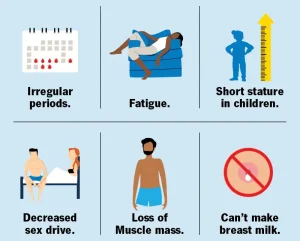
Hypopituitarism is a rare condition in which the pituitary gland does not produce one or more of its hormones, or does not produce enough of them. The pituitary gland, located at the base of the brain, plays a key role in regulating many body functions by controlling other glands such as the thyroid, adrenal glands and reproductive organs.
When pituitary hormone levels are low, important processes like growth, metabolism, blood pressure, fertility and stress response can be affected. Hypopituitarism may develop suddenly or gradually, and symptoms often depend on which hormones are lacking. With proper diagnosis and long-term hormone replacement therapy, most people can manage the condition effectively.
Symptoms
Symptoms of hypopituitarism vary widely based on the specific hormones involved and the severity of the deficiency. Some symptoms develop slowly and may be overlooked for years.
Common symptoms include:
-
Fatigue and weakness
-
Unexplained weight loss or weight gain
-
Sensitivity to cold
-
Loss of appetite
-
Low blood pressure
-
Dizziness or fainting
-
Decreased sex drive
-
Infertility
-
Irregular or absent menstrual periods
-
Erectile dysfunction
-
Reduced body hair
-
Slow growth or delayed puberty in children
Severe hormone deficiency can cause life-threatening symptoms, especially during illness or stress.
Causes
Hypopituitarism occurs when the pituitary gland is damaged or its normal function is disrupted.
Possible causes include:
-
Pituitary tumors or tumors near the pituitary gland
-
Brain surgery or radiation therapy
-
Head injury or traumatic brain injury
-
Infections affecting the brain
-
Inflammatory or autoimmune diseases
-
Stroke or bleeding in the pituitary gland
-
Genetic disorders affecting pituitary development
-
Complications during childbirth, such as severe blood loss
In some cases, the cause cannot be identified.
Risk factors
Factors that may increase the risk of hypopituitarism include:
-
History of pituitary or brain tumors
-
Previous brain surgery or radiation therapy
-
Serious head injury
-
Certain genetic conditions
-
Severe infections involving the brain
-
Complicated childbirth with heavy bleeding
The condition can affect people of any age, including children.
Complications
If left untreated, hypopituitarism can lead to serious complications due to hormone deficiencies.
Possible complications include:
-
Adrenal crisis, which can be life-threatening
-
Heart disease
-
Low blood sugar
-
Osteoporosis and increased fracture risk
-
Infertility
-
Delayed growth and development in children
-
Reduced quality of life
Early diagnosis and consistent treatment help reduce the risk of complications.
Prevention
There is no sure way to prevent hypopituitarism, but certain measures may help lower the risk or allow early detection.
Preventive steps include:
-
Prompt treatment of pituitary and brain tumors
-
Proper management of head injuries
-
Regular medical follow-up after brain surgery or radiation therapy
-
Monitoring hormone levels when symptoms suggest hormonal imbalance
Early recognition of symptoms and ongoing medical care are essential for effective long-term management.
Advertisement
