
Overview
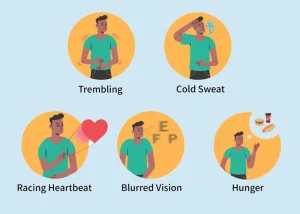
Hypoglycemia is a condition in which blood sugar, also called glucose, falls below normal levels. Glucose is the body’s main source of energy, especially for the brain. When blood sugar levels drop too low, the body and brain may not function properly.
Hypoglycemia is most commonly associated with diabetes, particularly in people who use insulin or certain oral diabetes medicines. However, it can also occur in people without diabetes. Episodes may be mild and easily treated or severe and life-threatening if not addressed promptly.
Symptoms
Symptoms of hypoglycemia can appear suddenly and may worsen if blood sugar continues to drop.
Early symptoms include:
-
Shakiness or trembling
-
Sweating
-
Hunger
-
Dizziness or lightheadedness
-
Rapid heartbeat
-
Anxiety or nervousness
As hypoglycemia becomes more severe, symptoms may include:
-
Confusion or difficulty concentrating
-
Slurred speech
-
Blurred vision
-
Unusual behavior or irritability
-
Weakness or fatigue
-
Headache
Severe hypoglycemia can cause seizures, loss of consciousness or coma and requires immediate medical attention.
Causes
Hypoglycemia occurs when blood sugar levels drop too low due to an imbalance between glucose use, production and intake.
Common causes include:
-
Taking too much insulin or diabetes medication
-
Skipping meals or eating less than usual
-
Delaying meals
-
Increased physical activity without adequate food intake
-
Drinking alcohol, especially on an empty stomach
-
Certain medical conditions affecting the liver, kidneys or hormones
In people without diabetes, hypoglycemia may be related to prolonged fasting, critical illness or rare metabolic disorders.
Risk factors
Factors that increase the risk of hypoglycemia include:
-
Diabetes, especially with insulin or sulfonylurea use
-
Irregular eating patterns
-
Intensive exercise routines
-
Alcohol consumption
-
Older age
-
Kidney or liver disease
-
Previous episodes of hypoglycemia
Repeated episodes may reduce awareness of warning symptoms.
Complications
Untreated or severe hypoglycemia can lead to serious complications.
Possible complications include:
-
Seizures
-
Loss of consciousness
-
Accidents or injuries
-
Brain damage in severe or prolonged cases
-
Death if not treated promptly
Frequent hypoglycemia can also interfere with daily activities and quality of life.
Prevention
Many cases of hypoglycemia can be prevented with careful planning and monitoring.
Preventive measures include:
-
Eating regular, balanced meals
-
Monitoring blood sugar levels as advised
-
Adjusting medication doses with medical guidance
-
Carrying a fast-acting source of glucose
-
Limiting alcohol intake and avoiding drinking on an empty stomach
-
Planning food intake around exercise
Education and awareness are essential to recognizing early symptoms and preventing severe episodes.
Advertisement
