
Overview
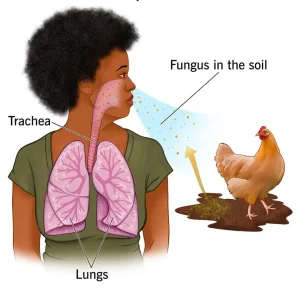
Histoplasmosis is a fungal infection caused by Histoplasma capsulatum. This fungus is commonly found in soil contaminated with bird or bat droppings. People become infected by breathing in microscopic fungal spores released into the air when contaminated soil is disturbed.
Histoplasmosis primarily affects the lungs, but in some cases, especially in individuals with weakened immune systems, the infection can spread to other parts of the body. Many infections are mild or asymptomatic, while severe cases can be life-threatening if not treated promptly.
The condition is more common in certain geographic regions where the fungus naturally lives in the soil.
Symptoms
Symptoms of histoplasmosis can range from mild to severe and usually appear 3 to 17 days after exposure.
Mild to moderate symptoms may include:
-
Fever
-
Chills
-
Dry cough
-
Chest pain
-
Fatigue
-
Headache
-
Muscle aches
In more severe cases, especially in people with weakened immune systems, symptoms may include:
-
Persistent high fever
-
Shortness of breath
-
Night sweats
-
Weight loss
-
Enlarged liver or spleen
-
Swollen lymph nodes
Chronic pulmonary histoplasmosis may resemble tuberculosis, with ongoing cough and lung damage.
Causes
Histoplasmosis occurs when a person inhales spores of the Histoplasma fungus. The fungus grows in environments rich in bird or bat droppings, such as:
-
Caves
-
Old buildings
-
Chicken coops
-
Construction or excavation sites
-
Areas where birds roost
The infection is not spread from person to person. Once inhaled, the spores enter the lungs and may cause inflammation and infection.
Risk Factors
Certain factors increase the risk of developing histoplasmosis or severe disease:
-
Living in or traveling to endemic areas
-
Exposure to bird or bat droppings
-
Construction, farming, or landscaping work
-
Exploring caves
-
Weakened immune system
-
HIV/AIDS
-
Organ transplant recipients
-
Use of immunosuppressive medications
-
Infants and older adults
People with compromised immunity are at higher risk for disseminated histoplasmosis, where the infection spreads beyond the lungs.
Complications
In some cases, histoplasmosis can lead to serious complications.
Possible complications include:
-
Acute respiratory distress syndrome
-
Chronic lung damage
-
Disseminated infection affecting multiple organs
-
Adrenal gland involvement
-
Meningitis
-
Heart inflammation
Disseminated histoplasmosis can be life-threatening without proper antifungal treatment.
Prevention
Preventing histoplasmosis involves reducing exposure to contaminated environments.
Preventive measures include:
-
Avoiding areas heavily contaminated with bird or bat droppings
-
Using protective masks when working in high-risk environments
-
Wetting soil before disturbing it to reduce airborne spores
-
Practicing proper hygiene after potential exposure
-
Taking extra precautions for individuals with weakened immune systems
People who develop persistent respiratory symptoms after potential exposure should seek medical evaluation. Early diagnosis and antifungal treatment can significantly improve outcomes.
Request an appointment
Advertisement
