
Overview
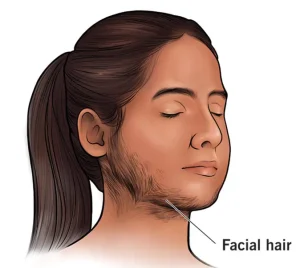
Hirsutism is a condition in which women develop excessive, coarse, dark hair in areas where men typically grow hair, such as the face, chest, back, and abdomen. It occurs due to increased levels of male hormones called androgens or increased sensitivity of hair follicles to these hormones.
Hirsutism is not a disease itself but a sign of an underlying hormonal imbalance. It can affect physical appearance and emotional well-being, often leading to distress or reduced self-confidence. The severity can range from mild unwanted facial hair to more widespread thick hair growth.
Early evaluation helps identify the underlying cause and guide appropriate treatment.
Symptoms
The main symptom of hirsutism is excessive hair growth in androgen-sensitive areas.
Common signs include:
-
Thick, dark hair on the upper lip, chin, or jawline
-
Excess hair on the chest or around the nipples
-
Hair growth on the lower abdomen
-
Increased hair on the back or inner thighs
Depending on the underlying cause, other symptoms of elevated androgen levels may occur, such as:
-
Irregular menstrual periods
-
Acne
-
Oily skin
-
Deepening of the voice
-
Thinning hair on the scalp
-
Increased muscle mass
Severe cases with additional male characteristics may indicate a significant hormonal disorder.
Causes
Hirsutism is usually caused by increased androgen production or heightened sensitivity to androgens.
Common causes include:
-
Polycystic ovary syndrome (PCOS)
-
Adrenal gland disorders
-
Ovarian tumors
-
Cushing syndrome
-
Congenital adrenal hyperplasia
-
Certain medications such as anabolic steroids or corticosteroids
In some cases, no specific cause is identified. This is known as idiopathic hirsutism and may occur despite normal hormone levels.
Risk Factors
Several factors increase the likelihood of developing hirsutism:
-
Family history of the condition
-
Polycystic ovary syndrome
-
Obesity
-
Insulin resistance
-
Certain ethnic backgrounds with naturally higher body hair patterns
Excess body weight can increase androgen production, worsening symptoms.
Complications
Although hirsutism itself is not life-threatening, it may lead to complications, especially when linked to hormonal disorders.
Possible complications include:
-
Infertility in cases associated with PCOS
-
Metabolic syndrome
-
Type 2 diabetes
-
Emotional distress
-
Anxiety and depression
-
Low self-esteem
Untreated underlying hormonal conditions can have broader health effects beyond hair growth.
Prevention
Hirsutism cannot always be prevented, especially if it is genetic. However, managing underlying conditions may reduce the severity of symptoms.
Preventive and management strategies include:
-
Maintaining a healthy body weight
-
Regular physical activity
-
Managing insulin resistance
-
Early treatment of hormonal imbalances
-
Avoiding medications that may increase androgen levels when possible
Medical treatments such as hormonal therapy, along with cosmetic hair removal methods, can help manage symptoms effectively. Consulting a healthcare provider is important to determine the underlying cause and appropriate treatment plan.
Request an appointment
Advertisement
