
Overview
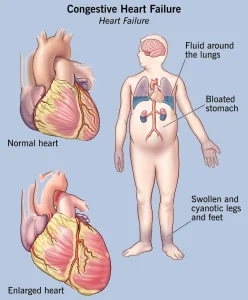
Heart failure is a chronic condition in which the heart is unable to pump blood efficiently enough to meet the body’s needs. This does not mean the heart has stopped working, but rather that it is weaker or stiffer than normal and cannot function properly. As a result, blood and fluids may back up in the lungs, legs, abdomen, and other tissues.
Heart failure usually develops over time as the heart becomes damaged or overworked. It is a serious condition, but with proper treatment, lifestyle changes, and ongoing medical care, many people with heart failure can live longer and maintain a good quality of life.
Symptoms
Heart failure symptoms often develop gradually and may worsen as the condition progresses. Symptoms can vary depending on which side of the heart is affected and how severe the failure is.
Common symptoms include:
-
Shortness of breath during activity or while lying flat
-
Persistent coughing or wheezing
-
Fatigue and weakness
-
Swelling in the legs, ankles, feet, or abdomen
-
Rapid or irregular heartbeat
-
Sudden weight gain from fluid retention
-
Reduced ability to exercise
-
Increased need to urinate at night
-
Difficulty concentrating or decreased alertness
In severe cases, symptoms may occur even at rest.
Causes
Heart failure is often caused by conditions that damage or weaken the heart over time. In some cases, multiple factors contribute to its development.
Common causes include:
-
Coronary artery disease
-
Previous heart attack
-
High blood pressure
-
Heart valve disease
-
Cardiomyopathy
-
Heart rhythm disorders
-
Congenital heart defects
-
Diabetes
-
Severe lung disease
-
Long-term alcohol or drug misuse
Infections, inflammation of the heart, and certain medications can also contribute to heart failure.
Risk factors
Several factors increase the likelihood of developing heart failure:
-
Increasing age
-
Family history of heart disease
-
High blood pressure
-
Coronary artery disease
-
Diabetes
-
Obesity
-
Smoking
-
Physical inactivity
-
Excessive alcohol consumption
-
Sleep apnea
-
Chronic kidney disease
Having multiple risk factors significantly raises the risk of heart failure.
Complications
Heart failure can lead to serious complications if not properly managed.
Possible complications include:
-
Kidney damage or failure
-
Liver damage
-
Heart rhythm abnormalities
-
Heart valve problems
-
Blood clots
-
Frequent hospitalizations
-
Reduced ability to perform daily activities
-
Sudden cardiac death
Early diagnosis and consistent treatment are essential to prevent or delay complications.
Prevention
Although not all cases of heart failure can be prevented, the risk can be reduced by addressing underlying conditions and adopting heart-healthy habits.
Prevention strategies include:
-
Controlling high blood pressure and cholesterol
-
Managing diabetes effectively
-
Maintaining a healthy weight
-
Eating a balanced, heart-healthy diet
-
Exercising regularly
-
Quitting smoking
-
Limiting alcohol intake
-
Managing stress
-
Treating sleep disorders such as sleep apnea
-
Following medical advice and taking prescribed medications
Proactive lifestyle changes and regular medical care play a key role in protecting heart function and reducing the risk of heart failure.
Advertisement
